OpenAI Details How It Blocks Attacks That Copy Its Models' Capabilities
The company says it combines several defenses, from model training through attack detection. It also described attack tests run against GPT-6 Astra and GPT-6.2 Astra.
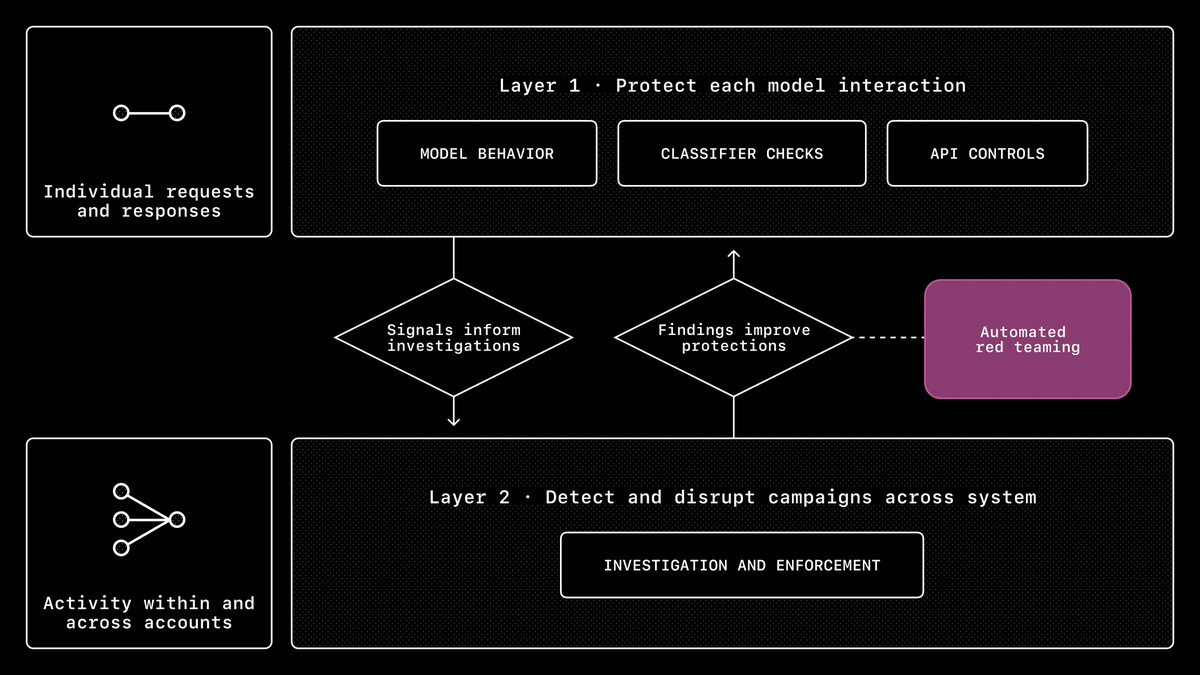
On November 20 local time, OpenAI disclosed how it defends against attacks in which other AI systems copy the capabilities of its own models. Gathering the answers one model produces and using them to train another model to develop similar capabilities is known as distillation. OpenAI calls the cases where capabilities are copied without permission adversarial distillation. The company said its aim is to flag the safety risks that come with distillation and to share lessons that can strengthen defenses across the AI industry.
OpenAI said it uses several defenses in combination: model training, guardrails, attack detection, and action taken after an attack is caught. The measures span everything from the model training stage to the stage of detecting and responding to attacks. The company described this as blocking capability extraction in multiple layers.
The company tested attacks against GPT-6 Astra and GPT-6.2 Astra. The tests do not look inside the models; instead, attackers adjust their approach based on the responses that come back. Results from six models used to mount attacks were pooled to calculate an attack success rate. The figure measures how well attacks worked when they tried to extract the internal reasoning process that a model does not show externally. The lower the number, the better the defense.
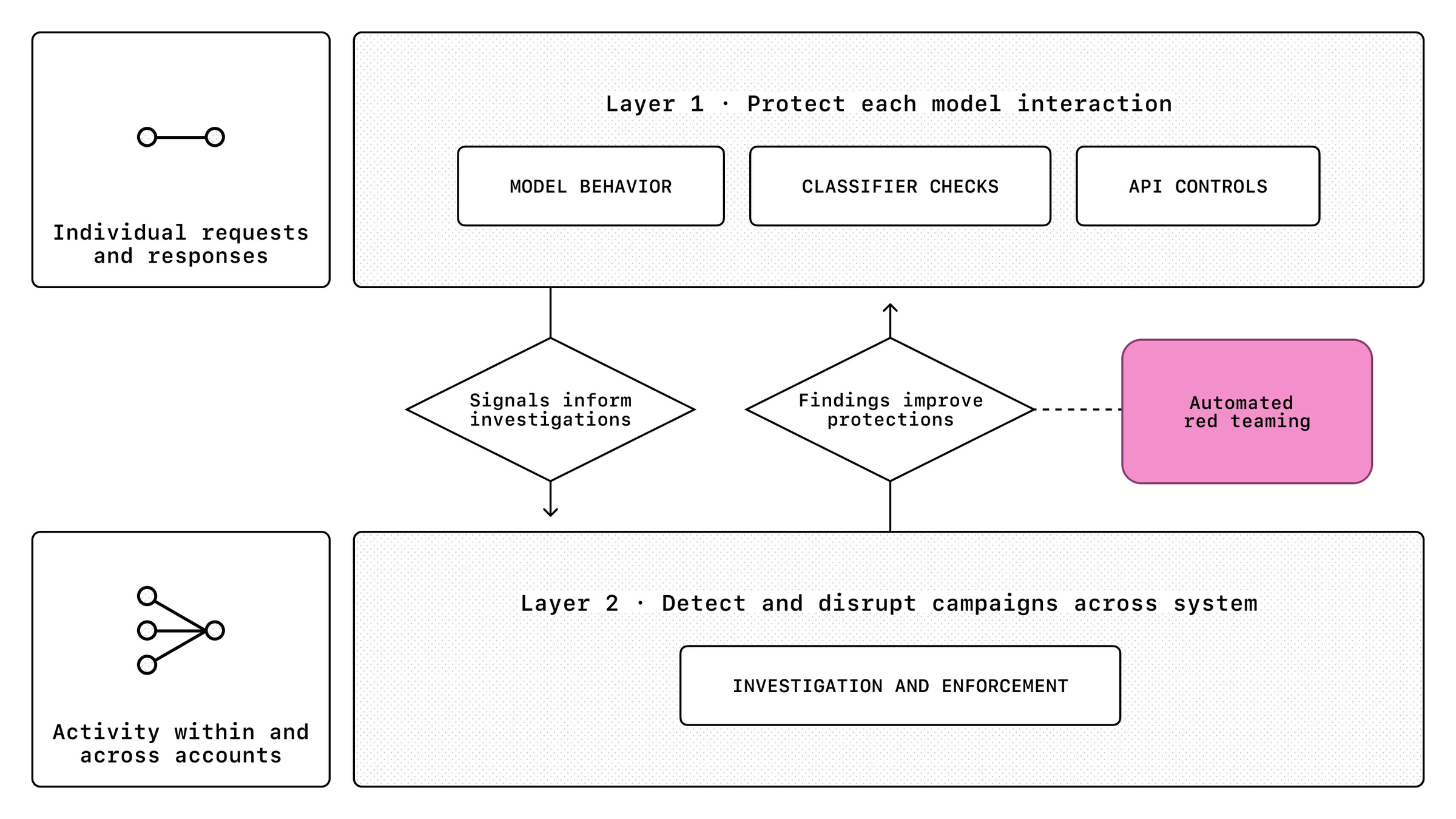
Image: OpenAI
How well the two models hold up against attacks in real-world use is hard to verify. It is also unclear how these measures apply to users in Korea.