OpenAI Offers Free ChatGPT Plus to 50,000 Researchers, First Come First Served on Nov. 23
Starting November 23, the company will accept 50,000 qualified researchers on a first-come, first-served basis. Those selected can extend free ChatGPT Plus access to as many as two collaborators.
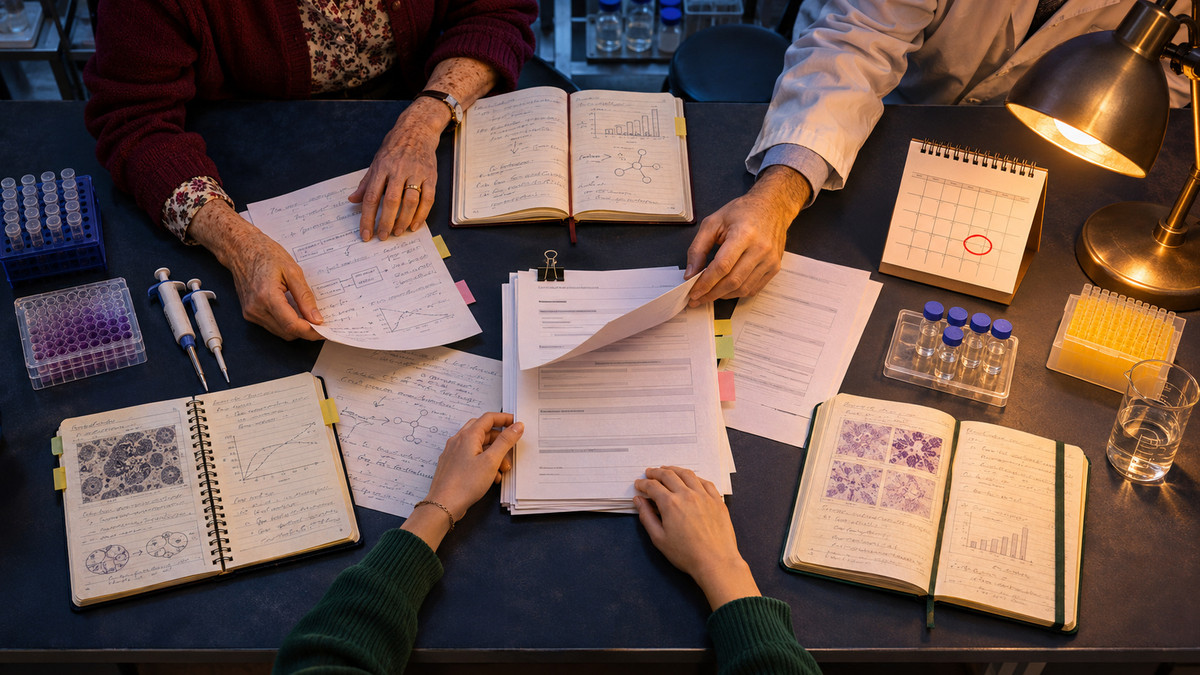
OpenAI announced on November 16 that it is expanding ChatGPT for Academic Researchers, a program that gives researchers free access to ChatGPT. The overall goal is to support as many as 200,000 researchers worldwide. The next application window opens on November 23, with new licenses going to the first 50,000 qualified applicants.
Selected researchers and up to two collaborators each can use ChatGPT Plus for free. Counting those collaborators, this round could benefit as many as 150,000 people. Qualified people already on the existing waitlist will receive an email explaining how to activate their accounts before applications open.
What Changes With the Free Licenses
Both the type of license and the selection method are changing. In the pilot that launched in July, 20,000 researchers across 33 countries received ChatGPT Pro, the higher tier. The new license is Plus, and selection shifts from a lottery to first come, first served among those who meet the criteria. Applying early now works in your favor.
OpenAI said that after reviewing usage data from the pilot, it concluded that most participants’ usage would have stayed within Plus limits. Participants get access to OpenAI’s frontier models along with training on how to use ChatGPT in their research. As a matter of policy, data shared through the program is not used to train models by default.
So how much research time does it actually save? OpenAI also published a study analyzing how more than 1,800 participants in the summer pilot used the tool. Researchers who responded to the survey said that producing work of the same quality without AI would have taken them nearly twice as long.
How Universities and Labs Can Get Access
For institution-wide adoption, the route is ChatGPT Edu. Universities can use that plan to set up the environment they need for research, teaching, and learning. It also includes data analysis tools and controls for managing who has access.
For biology research, there is a separate model called GPT-Rosalind. It combines specialized problem-solving in biology with access to scientific tools and databases. Qualified labs at U.S. universities can get up to 30 seats free for up to 12 months through the Rosalind Academic Plan. Using GPT-Rosalind requires approval through a trusted access review.
With collaborators now covered by the free offer, this expansion opens up more room for entire research teams to work with ChatGPT together. The remaining question is whether the usage limits on Plus, which replaces Pro, will be enough for real research workloads.