Google unveils Gemini 4 Carbon for complex coding and verification
The model focuses on exploring multiple solutions to difficult problems and checking the results. Developer pricing matches Argon, while an experimental /swarm feature lets multiple AI agents divide up the work.
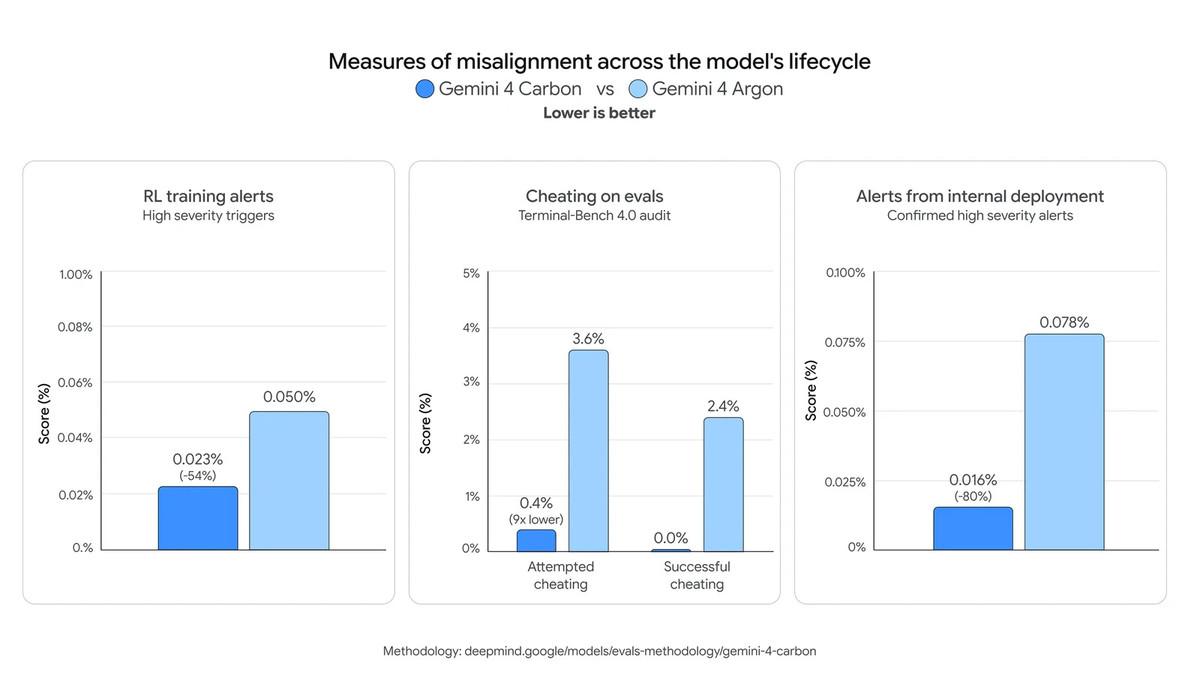
Google released Gemini 4 Carbon to developers, businesses, scientists and general users on November 10 (local time), expanding access to a model first made available to security professionals two weeks earlier. It targets complex coding, debugging and open-ended scientific research: tasks that require multiple steps to reach a solution.
How does it differ from Argon?
Carbon is designed to explore multiple solutions to harder problems and spend more time verifying results than Argon. Google said Gemini 4 Argon is suitable for most software development and knowledge work. Carbon focuses on working through complex problems to completion rather than answering simple questions.
According to Google, Carbon ranked first on three benchmarks that assess performance on real-world work: CursorBench 4.0, WANDR and AutomationBench. The company said its cost per task on each benchmark was less than half that of the next-highest-ranked external model. Carbon placed second on MKA, a benchmark involving documents containing charts, images and tables. Google said its average cost per task on that benchmark was less than one-sixth that of the top-ranked model.
How do multiple AI agents divide up the work?
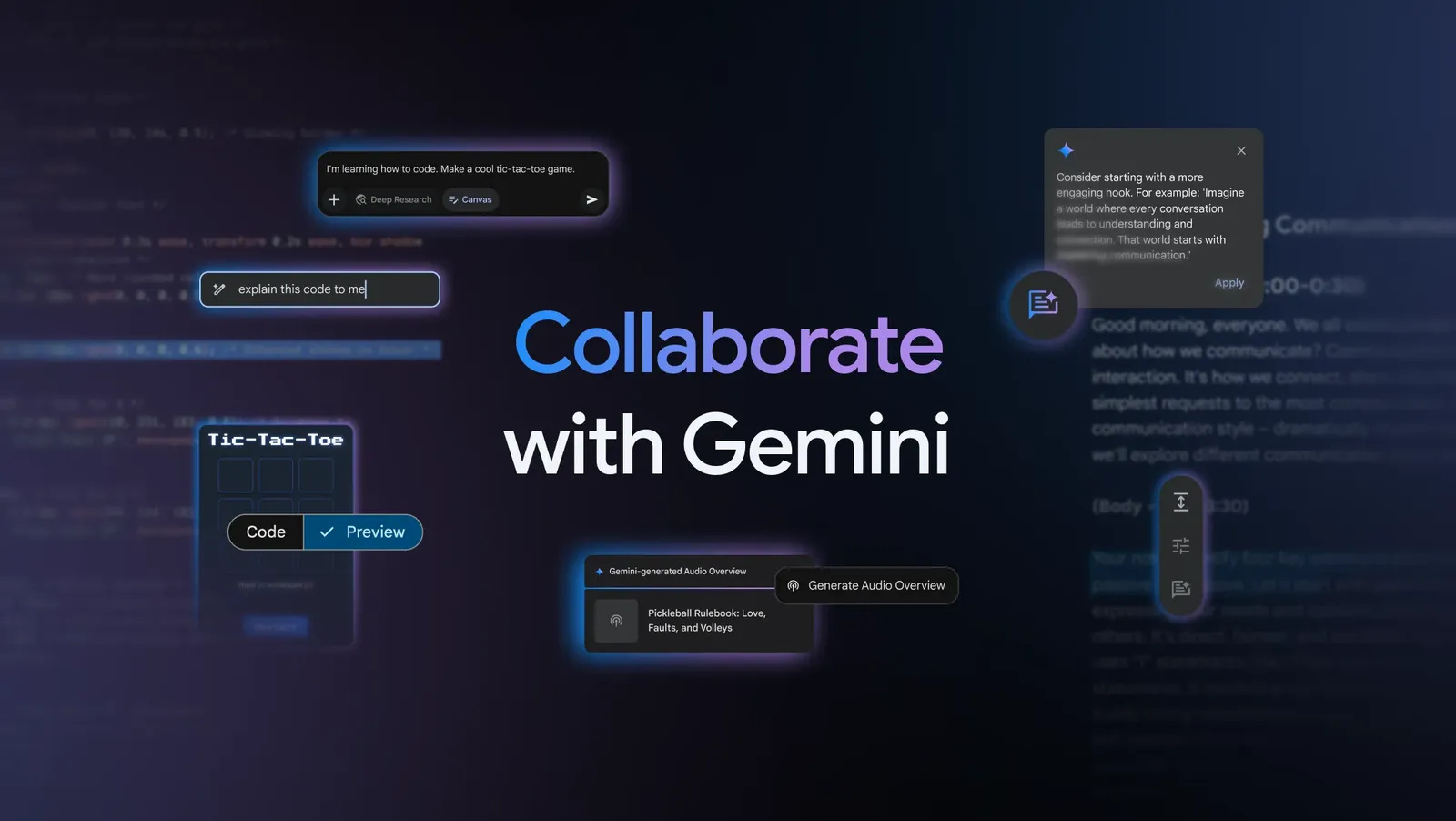
Google is previewing /swarm in Google Antigravity, a feature that assigns different roles to multiple AI agents. A single prompt, an instruction given to AI, creates a team of agents that can carry out work autonomously. Users can monitor progress in real time. Carbon can handle overall design, coordination and review, while faster, lighter models take on other tasks. Each agent works simultaneously in a separate workspace, with additional agents checking the changes.
Source: Google (press release)
Google said Carbon repeatedly writes code and verifies the results as it builds web apps, fixing errors and checking what appears on screen. For document work, the company highlighted its ability to find and synthesize information from large collections of material. It said Carbon also creates spreadsheets, presentations and reports in specified formats.
Google also shared examples from security and research. According to the company, Wiz used Carbon to examine two large service providers and discovered new security vulnerabilities within two hours. Google researchers used Carbon and other models to verify code implementing Signal’s encryption rules. The company said they mathematically proved key security properties of the code.
Google also published results from an evaluation of honesty in responses. Carbon passed 92% of the 375 tasks in the evaluation, compared with 70% for Argon.
Who can use it, and what does it cost?
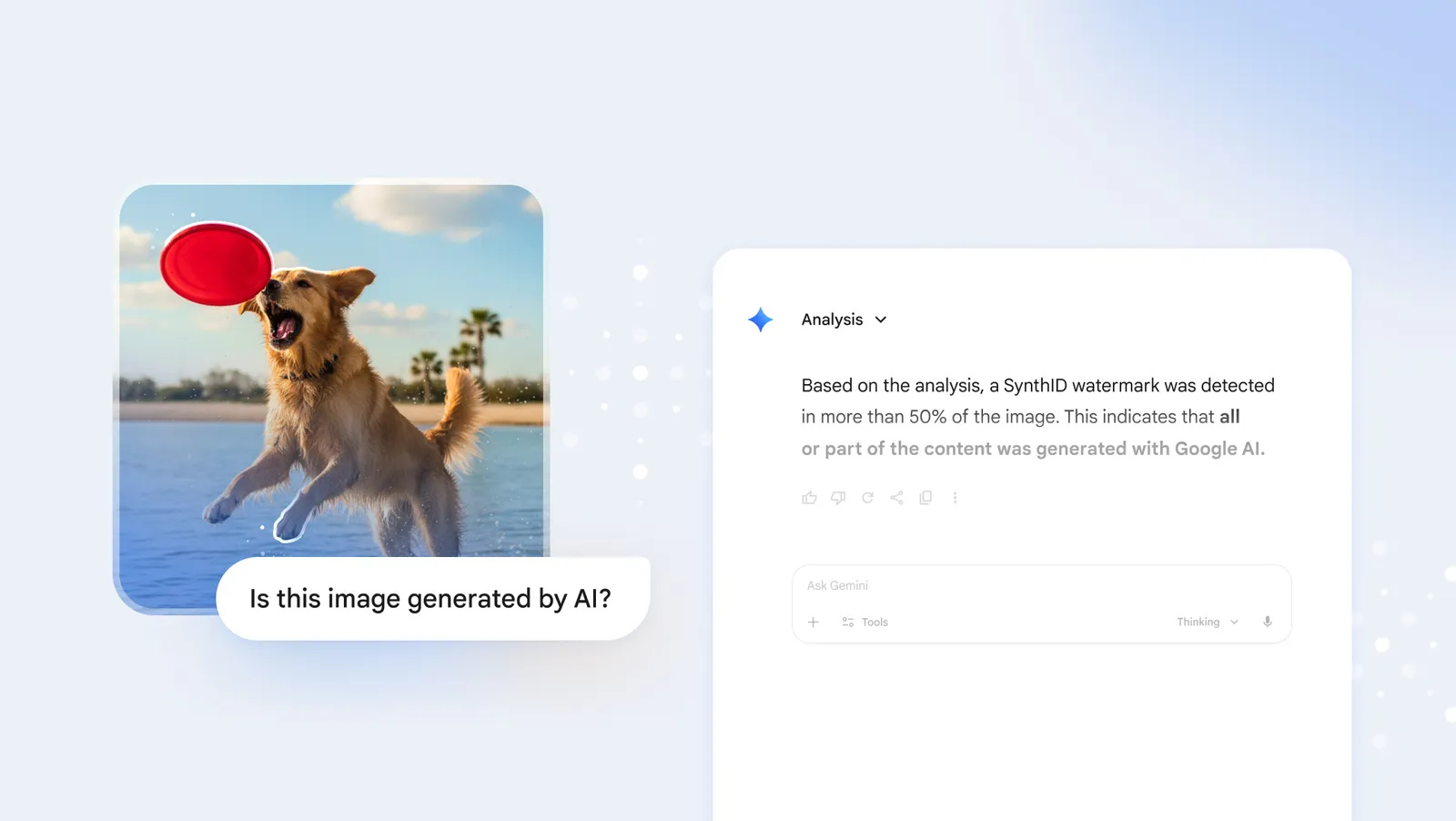
Paying developers and businesses can integrate Carbon into their services through Google AI Studio and Gemini for business. Initial pricing matches Argon: $2 per million input tokens and $10 per million output tokens, with tokens representing fragments of text. Carbon uses more tokens than Argon to find and verify solutions, so costs will vary with usage even at the same rates. Google AI Ultra subscribers will receive access in stages through Google Antigravity, the Gemini app and AI Mode in Search.
Source: Google (press release)
Carbon will also join Google’s researcher support program. Four weeks ago, the company launched a program giving 10,000 scientists free access to Argon for six months. Google said both existing and new participants would also be able to use Carbon.
Carbon is designed to distribute difficult tasks among multiple AI agents and carry the work through verification. The questions to watch are how much it reduces the burden of review in real-world work, and how much it costs in total to finish a task.