Google’s Language Explorer Lets Users Explore Thousands of Languages Online
The tool offers a visual look at the distribution and diversity of the world’s languages. Researchers, teachers and the public can explore it online or try it at the Museum of Communication Berlin, Germany.
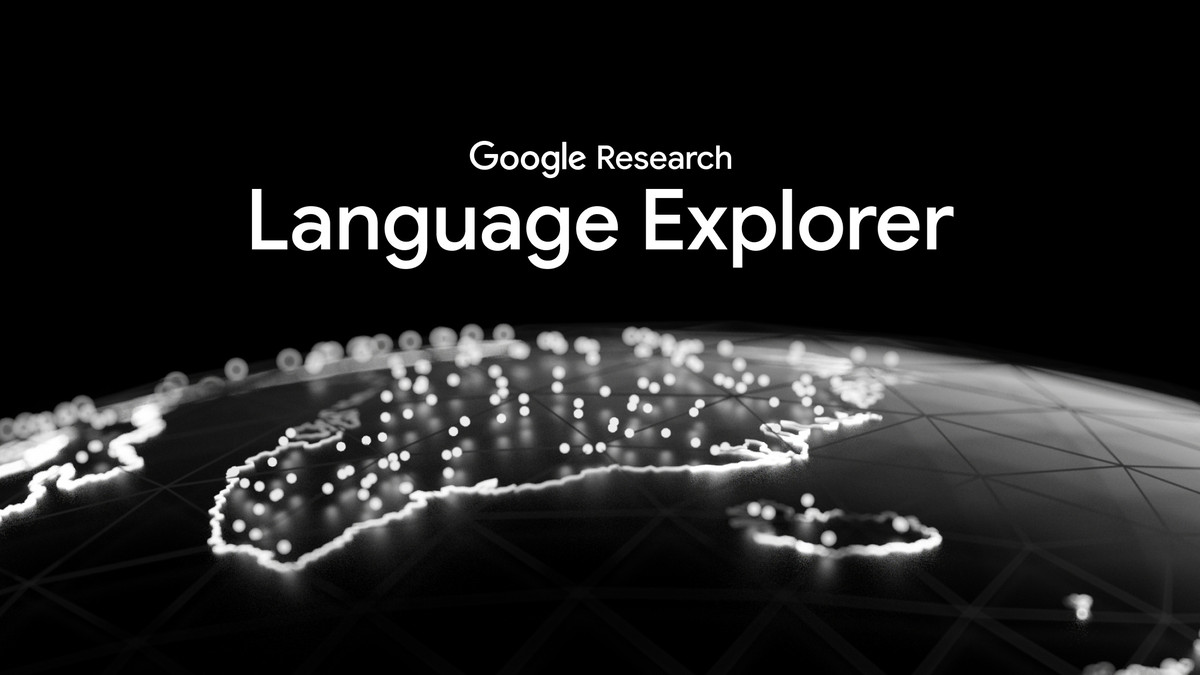
Google introduced Language Explorer on November 9 (local time), a web tool for exploring data on thousands of languages worldwide. Designed to make the distribution and diversity of languages easier to understand visually, it is intended for researchers, teachers and anyone interested in languages, Google said.
Exploring Thousands of Languages
Language Explorer lets users browse data to discover where languages are spoken and explore their diversity. Google said it drew inspiration from its earlier work presenting information visually, including Google Earth.

Image: research.google
Google developed the tool through its “1,000 Languages Initiative.” It is built on LinguaMeta, a collection of language data that Google released as open source. By bringing information about different languages together in one place, Google said, the tool provides a resource for exploration in research and teaching.
Google also outlined the reach of its existing language services. Google Translate launched in 2006 with two languages: English and Arabic. It now supports about 250 languages and translates roughly 1 trillion words a month, the company said. Gboard, its Android keyboard, supports more than 900 languages and language varieties.
Available Beyond the Museum
There is no need to visit a museum to use Language Explorer. Google said users can access it online and explore the language data themselves.

Image: research.google
The tool will also appear as an interactive exhibit in “Real Talk! Language. Power. World.,” a new exhibition at the Museum of Communication Berlin, Germany. Opening this week, the exhibition examines how language shapes identity, society and technology. The Berlin exhibition runs through February 2028. At the Museum of Communication Frankfurt, it runs through September 2029. Separate online content exploring the exhibition’s themes is available from November 6, Google said.
Google emphasized that expanding language technology to more languages requires working with local communities. It cited Project Vaani in India and Project Waxal in Africa as examples. Through both projects, Google said it is working with local institutions to collect speech data for languages with limited digital resources. The publicly available speech data collected amounts to thousands of hours, the company said. It added that collaboration with native speakers, academic institutions and cultural organizations is also needed to keep languages thriving.
Google presented Language Explorer as part of its work to build AI and language technology that anyone can use, regardless of the language they use. Questions ahead include how clearly it can convey each language’s characteristics and how useful it will prove for education and research.