Can AI Cure Most Diseases? Drugmaker Says Technology From 50 AI Companies Yielded No Effective New Drug
Anthropic’s CEO predicted that AI could cure most major diseases within 5–10 years. Pharmaceutical executives pushed back, citing the complexity of disease and their experience developing drugs. Research partnerships continue, but treatments still need to be tested in humans before reaching patients.
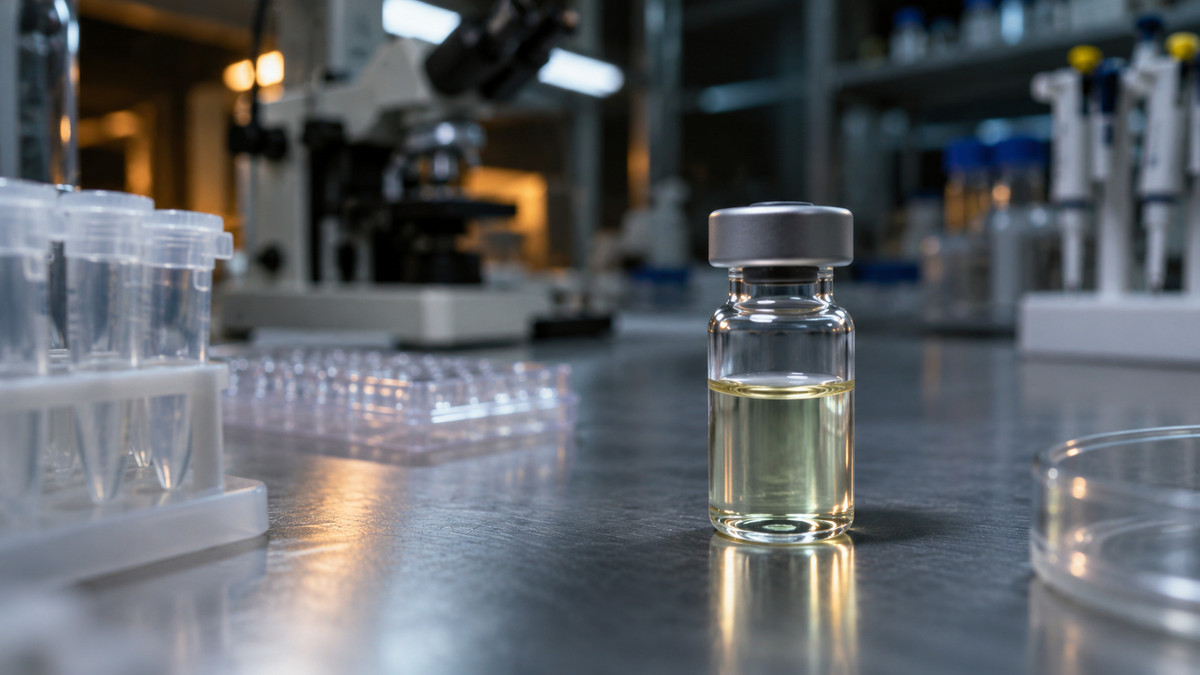
The technology and pharmaceutical industries are at odds over predictions that AI could cure most major diseases within a few years. In reporting published on November 4, pharmaceutical executives challenged the tech industry’s forecasts about AI’s potential. The question is not whether AI can support research. It is how quickly that research can produce drugs that work.
Why Are Drugmakers Cautious?
Anthropic CEO Dario Amodei predicted that AI could cure most major diseases within the next 5–10 years. AstraZeneca’s Pascal Soriot, meanwhile, emphasized the biological complexity of disease. The technology industry sees the prospect of cures, while drugmakers point first to the difficulties they have encountered in developing medicines.
Vertex’s Jeff Leiden cited firsthand development experience. He said the company had applied technology from about 50 AI companies to its data without producing an effective new drug.
Why Invest in AI Despite That Caution?
Drugmakers continue to pursue research partnerships with AI companies even as they express caution about the outlook. In October 2026, AstraZeneca announced a drug research collaboration with insitro. The partnership uses insitro’s AI technology to analyze the biological processes that cause steatohepatitis, or fatty liver inflammation, and heart muscle disease. The work involves identifying drug targets and designing candidate compounds, with an upfront payment of $40 million.
Earlier, in January 2026, Eli Lilly and NVIDIA announced plans for a joint AI research lab. The companies plan to invest up to $1 billion over five years. The lab will bring biological data, AI models and computing infrastructure together in one place for researchers working to discover new drugs. In both partnerships, AI’s initial role is in research: analyzing the causes of disease or identifying substances that could become medicines. Eli Lilly and NVIDIA also said they would explore using AI in clinical development, manufacturing and commercial operations later on.
What Still Needs to Happen Before Patients Can Be Treated?
Testing in humans is still needed. The drug development examples published by Anthropic describe achievements in designing and analyzing laboratory research. Establishing whether a drug works in people requires clinical trials.
Medicines must demonstrate quality, efficacy and safety to gain approval, regardless of whether AI was used in their development. The treatments patients ultimately receive depend on whether those requirements have been met.
Beyond the scale of these partnerships, the next thing to watch is how candidate compounds identified through research perform in human trials. Whether patients in South Korea gain new treatment options will also depend on those results, domestic approval and whether the treatments become available there.