OpenAI Says It Will Foot the Power Bill for Its Data Centers, Answering Community Concerns
Political fights over data center construction have flared in communities across the US. OpenAI says it will pay for power and infrastructure at the American campuses it owns and operates going forward, and will gather community input early in the process.
Around the US midterm elections, data center construction became a local political issue. On November 7 (local time), TechCrunch published an article summarizing a discussion from its podcast Equity, examining how the election results could affect data center construction and Elon Musk’s businesses. Earlier, on November 5, OpenAI released a set of commitments and policy proposals covering how it operates compute campuses in the United States.
In the run-up to and aftermath of the election, ballot measures and political fights over data center construction played out in several parts of the country. The Equity panelists predicted that the data center industry could run into bigger obstacles after the election. They also argued that Musk’s political donations had failed to pay off.
Who pays for power and infrastructure
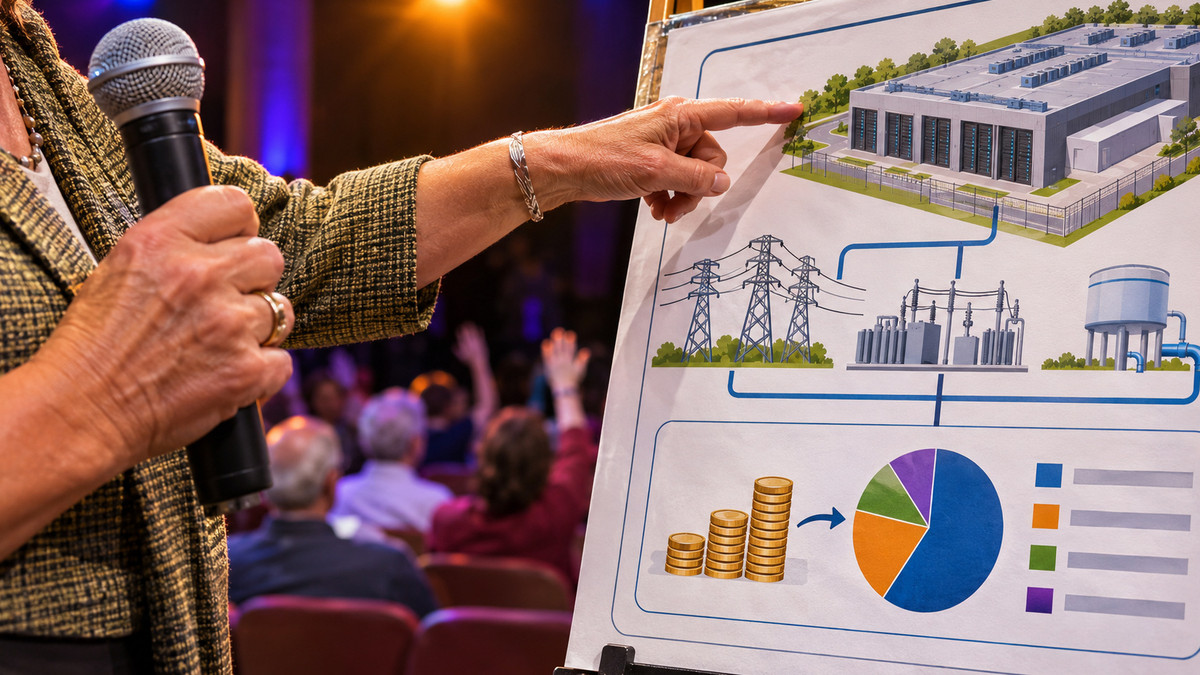
OpenAI said it will cover the cost of power and infrastructure itself. The commitment applies to US compute campuses that the company will own and operate going forward. It is a response to the question of who bears those costs: the companies building data centers, or the surrounding communities.
The company also pointed to contracts that reduce the electricity flowing into a campus when power demand spikes. According to OpenAI, the electricity supplied to a planned campus in Georgia can be reduced by up to 1,000MW under such an agreement.
What information residents will get
OpenAI said it will seek community input early in the development process and disclose water and electricity use on a site-by-site basis. The idea is to let residents see for themselves how much local water and power a campus consumes.
The company also laid out principles for how it engages with public officials. OpenAI said it will not, as a rule, sign non-disclosure agreements with public officials. It added that it would allow narrow protections for security information, trade secrets, proprietary information, and competitively sensitive information.
The post-election debate and OpenAI’s announcement together show that community input and who pays the bills have become central issues in data center construction. What to watch next is how the company’s commitments actually hold up campus by campus, and whether the political fights translate into construction restrictions.