He Handed Research Over to AI. It Got Stuck on Picking a Direction
Arjun Panickssery has written up what he learned from using AI on game engines and philosophy research. Even the case where the record for enumerating every legal Scrabble move improved roughly 10-fold came down to a human prompting the model over and over.
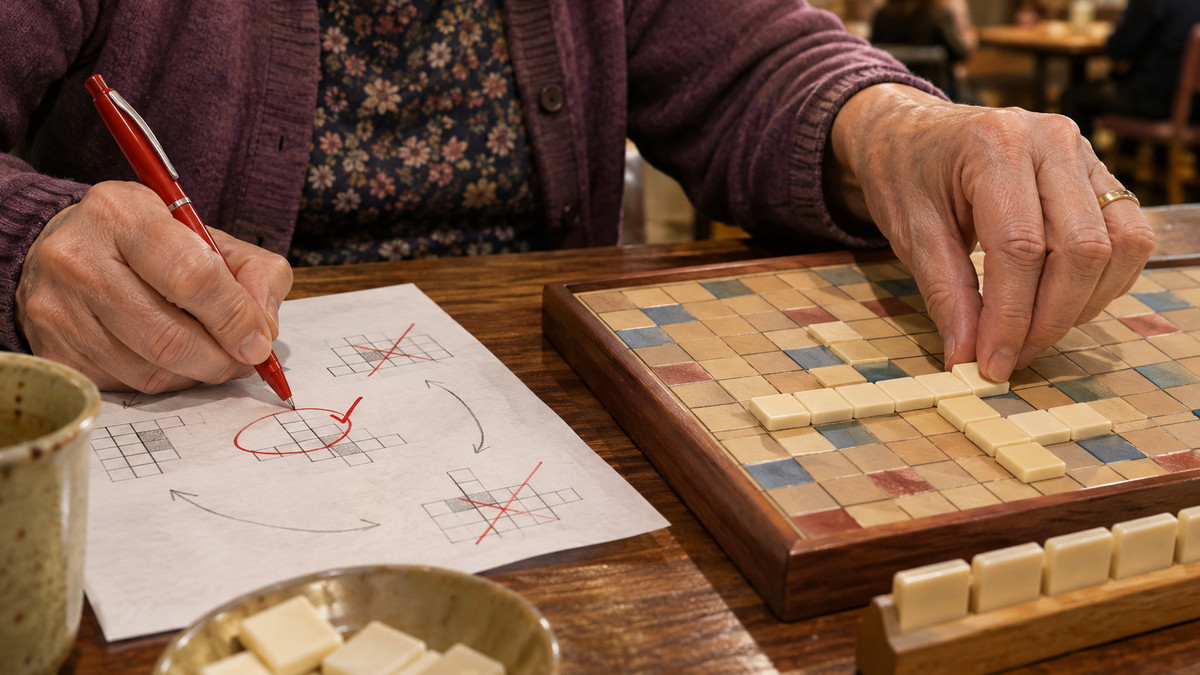
Arjun Panickssery has published a post on the community site LessWrong questioning just how original autonomous AI research and development really is. His assessment draws on his own experience using AI on a Scrabble engine, an Ultimate Tic-Tac-Toe bot, and a philosophy research project.
The biggest problem he identifies is judgment about research direction. In the projects he observed, he says the models fell short when it came to identifying the most important prior work or designing experiments with real substance. The hardest part, by his account, was the stage of deciding what to draw on and what to test.
He also describes a case where repeated human prompting pushed performance higher. Panickssery says he improved the best known record for the task of enumerating every legal move in Scrabble by roughly a factor of 10. That was not something the AI pulled off on its own: it came out of Panickssery giving the model Astra instruction after instruction.
For anyone using AI in their work or research, the post poses a single question: how much can you hand off, and where does a human need to step in? It remains to be seen how results on the same task vary with the degree of human involvement, and whether the same problem appears in other experiments.