NEO-VLA Unveiled: A Robot Model That Uses Intermediate Visual Features
The research model turns intermediate visual features, not just finished image encodings, into robot motion. It reports high success rates in simulation, but scores collapse when object positions and task goals change.
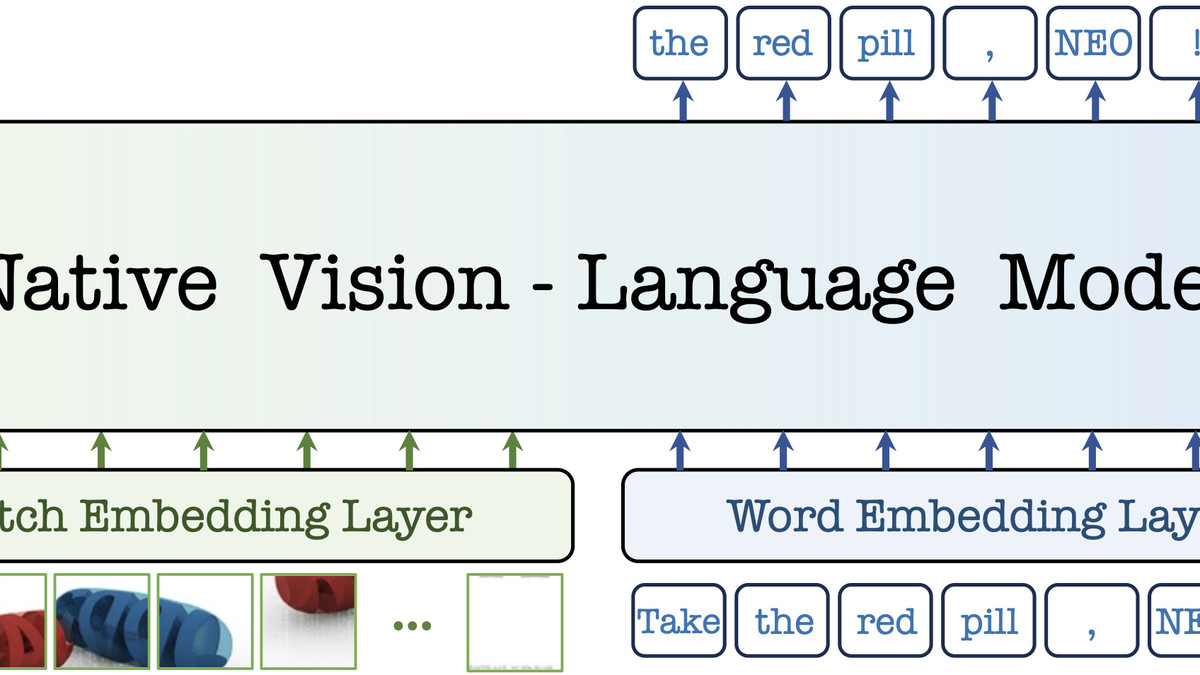
NEO-VLA, a research model that ties what a robot sees more tightly to how it moves, has been released. The team published its paper on November 4 local time. The model takes images and natural-language instructions from a person and produces robot motion. A link to the research code repository was included as well.
What information does the robot act on?
NEO-VLA does not rely only on the final output of image processing. It also uses the visual information generated partway through that process to decide on actions. In many existing models, a separate module compresses image information and hands it off to the model that decides on actions. The researchers point out that this step can weaken exactly the cues a robot needs to grasp and move objects, such as object boundaries, depth, and subtle changes in state.
NEO-VLA processes image patches and language instructions together inside a single model. The action-generating component reads visual information from multiple processing stages to produce the robot’s continuous motion. In a comparison run under matched conditions, the researchers say earlier-stage visual information helped with object manipulation. How well a robot uses the fine-grained appearance of objects when carrying out a natural-language instruction is the central question of this work.
A 97.4% success rate: does it hold on real robots?
The team reports an average success rate of 97.4% on LIBERO, a simulated performance benchmark. Its composite score on LIBERO-Plus, which includes environmental variation, was 89.7. On three tasks attempted with a real robot, with 20 trials each, it succeeded 12, 17, and 13 times respectively.
Looking at LIBERO average success rates alone, some models score higher than NEO-VLA. The paper lists EO-1 at 98.4% and MMaDA-VLA at 98.0%. The researchers explain that because training data and evaluation conditions differ from model to model, these numbers alone cannot settle which is better.
Scores dropped sharply in tests where the placement of objects or the goal itself changed. On LIBERO-Pro, the success rate was 3.0% under changed object positions and 6.3% under changed task goals. A model that averaged 97.4% did not even reach 10% under these conditions.
What can you look at right now?
What has been released so far is the paper, the research code, and the trained model files. Researchers and developers interested in robotics can examine the model’s design and its evaluation results. This is not a product you can buy and deploy; it is closer to a study examining how a robot connects visual information to action.
The work focuses on how far into the image-processing pipeline a robot should look when deciding on a movement. The evaluation results show that situations where object positions or goals shift remain a hard problem. The next question is whether this way of using intermediate-stage visual information can also improve the model’s ability to handle those changes.