Google Launches "Polar Peaks," an AI Learning Game About Mapping the Brain
The third game in AI Quests, built for students aged 11 to 14, has them clean data and test AI models themselves, learning why AI still needs human judgment.
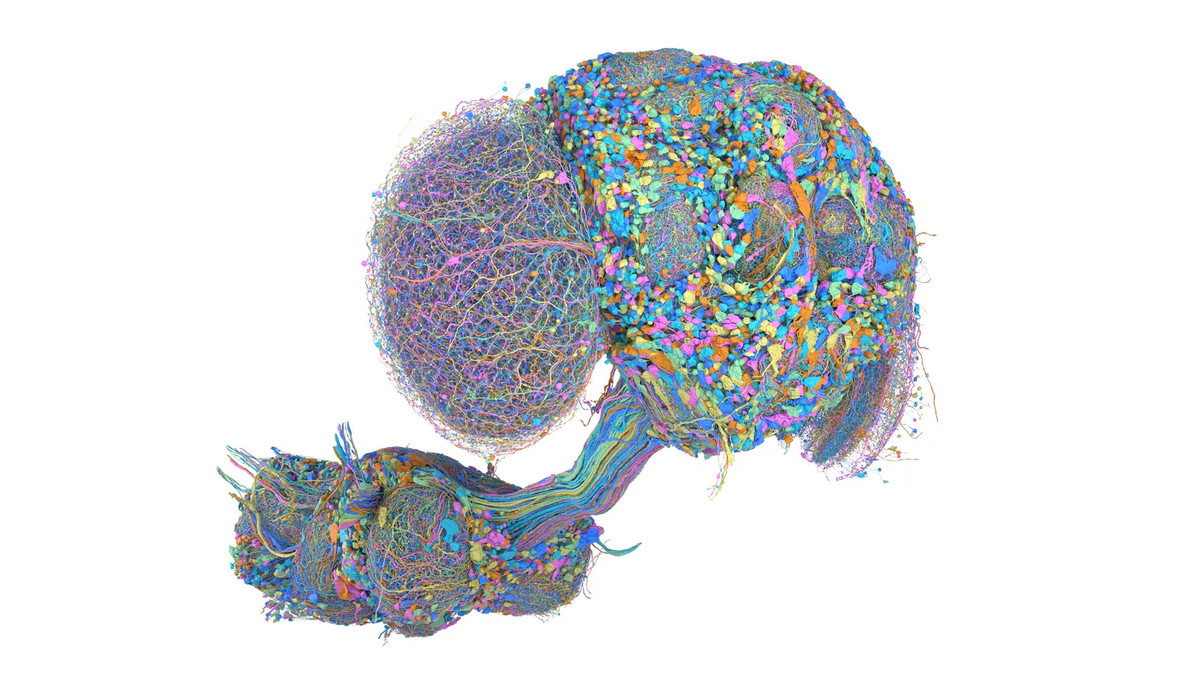
Google on October 26 released “Polar Peaks,” the third game in AI Quests, its AI learning series for students. The game asks students to examine neurons inside a brain and map them. It was built by Google Research together with the Stanford Accelerator for Learning to teach how AI works and how to use it responsibly.
AI Quests is aimed at students aged 11 to 14. Players take on the role of a Google researcher and solve problems drawn from real research. According to Google, students have now completed more than 400,000 learning activities in total, and the series has been translated into 10 languages.
What a brain map teaches
In Polar Peaks, students explore a brain to find out why a character has lost their memory. With help from a guide character, they scan neurons and map them. The idea is that by taking part in the process of brain research themselves, students see how AI speeds up scientific discovery.
The tasks include cleaning up data and testing an AI model. Rather than simply receiving a finished AI answer, students also prepare the material the AI will use and check the results. Google says the activity is designed so that students learn why careful human oversight and critical thinking are necessary.
The game is grounded in more than a decade of Google research on mapping the brain’s neural networks, a field devoted to charting how neurons connect to one another. After finishing the quest, students hear from two researchers who worked on that effort. The results featured include a project that mapped an entire fruit fly brain. Google says that map is the largest brain map created so far by number of neurons.
How it differs from the earlier games
The first two quests covered flood forecasting and detecting eye disease, inspired respectively by Google Research’s flood forecasting work and its AI model for diabetic retinopathy screening. This time the setting expands to brain research. The framework of students solving problems as researchers stays the same, while adding one more field where AI is at work.

Image: Google
How teachers can use it in class
Google is also rolling out professional development courses to help teachers connect AI Quests to their existing lessons. Offered within the Google AI Educator Series, the courses cover basic AI concepts and how to use the quests in instruction and classroom discussion. Courses for the first and second quests are available now, and the course for the third quest arrives in November.
Image: Google
Students get hands-on experience cleaning data and checking results, while teachers learn how to turn that experience into discussion. Google said it will work with educators and partner organizations to bring the quests to more classrooms during this school year.