Google's Tuberculosis AI Screens Miners 4 km Underground in 45 Seconds
Google has released field results for its AI that reads chest X-rays. Results that once took weeks now arrive in under 45 seconds, and screening is even taking place in an underground gold mine with no internet connection.
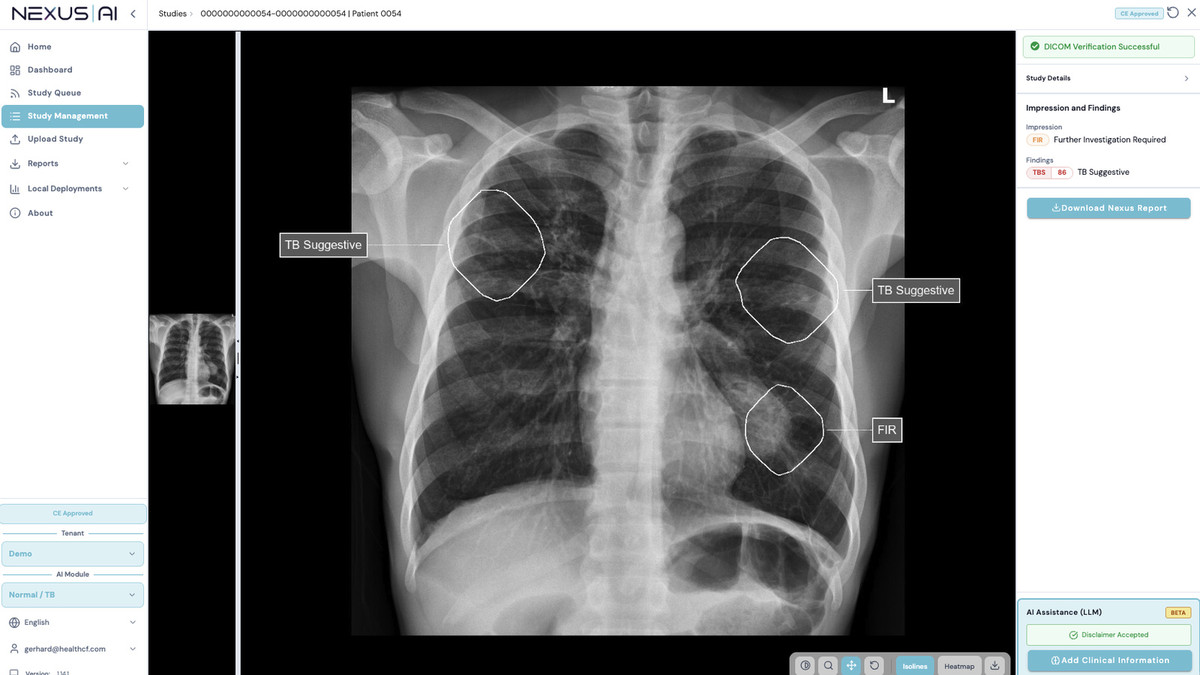
On October 23 local time, Google shared results from deploying its tuberculosis screening AI in real clinical settings. The company said it had worked with medical technology firm Nexus AI to put chest X-ray reading technology directly into points of care. Google also highlighted cases where individual countries are building their own screening tools on top of openly available medical AI models.
How fast do X-ray results come back?
According to Google, more than 90 health workers across roughly 40 facilities using the Nexus AI tool have read over 25,000 chest X-rays. Turnaround that once took weeks has dropped to under 45 seconds, the company said. The AI quickly flags people suspected of having tuberculosis, while the final diagnosis rests with clinicians. The tool is currently in use in South Africa, Sierra Leone, and Côte d’Ivoire, and is expanding to the Democratic Republic of the Congo, Zambia, and Cameroon.
Research and clinical validation preceded this field deployment. Google said a 2019 study showed detection performance for pulmonary tuberculosis comparable to that of experienced radiologists. In 2024, the company published validation results from real patients across multiple health institutions. Google said the study kept the rate of missed TB cases low.
Screening 4 km underground in a gold mine
At the Mponeng gold mine in South Africa, a portable digital X-ray unit and an AI that runs without an internet connection have been installed 4 km underground. According to Google, miners are screened on site within seconds. If tuberculosis is suspected, they move straight to a confirmatory molecular test. That means a process which used to take weeks can be completed in a single visit. Miners at the site face elevated lung disease risk from continuous exposure to silica dust.
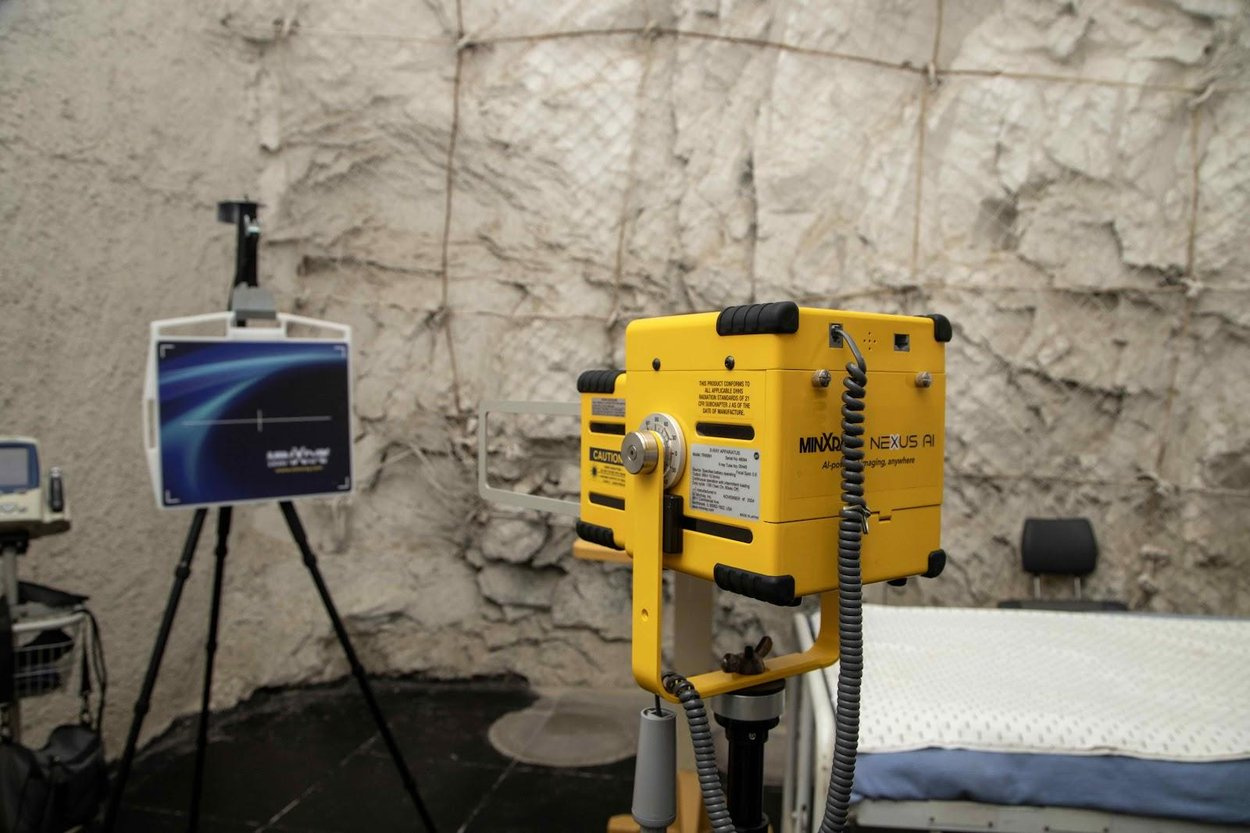
Image: research.google
Countries building their own screening tools
Separately from site-by-site deployments, Google has released models that can be adapted to local conditions. MedSigLIP, which links medical images to descriptive text, can be fine-tuned with a small set of local examples, the company said. MedGemma handles X-ray findings alongside patient history and answers clinicians’ questions in everyday language. Google said the model can run on-device without an internet connection and that downloads worldwide have passed 10 million since release.
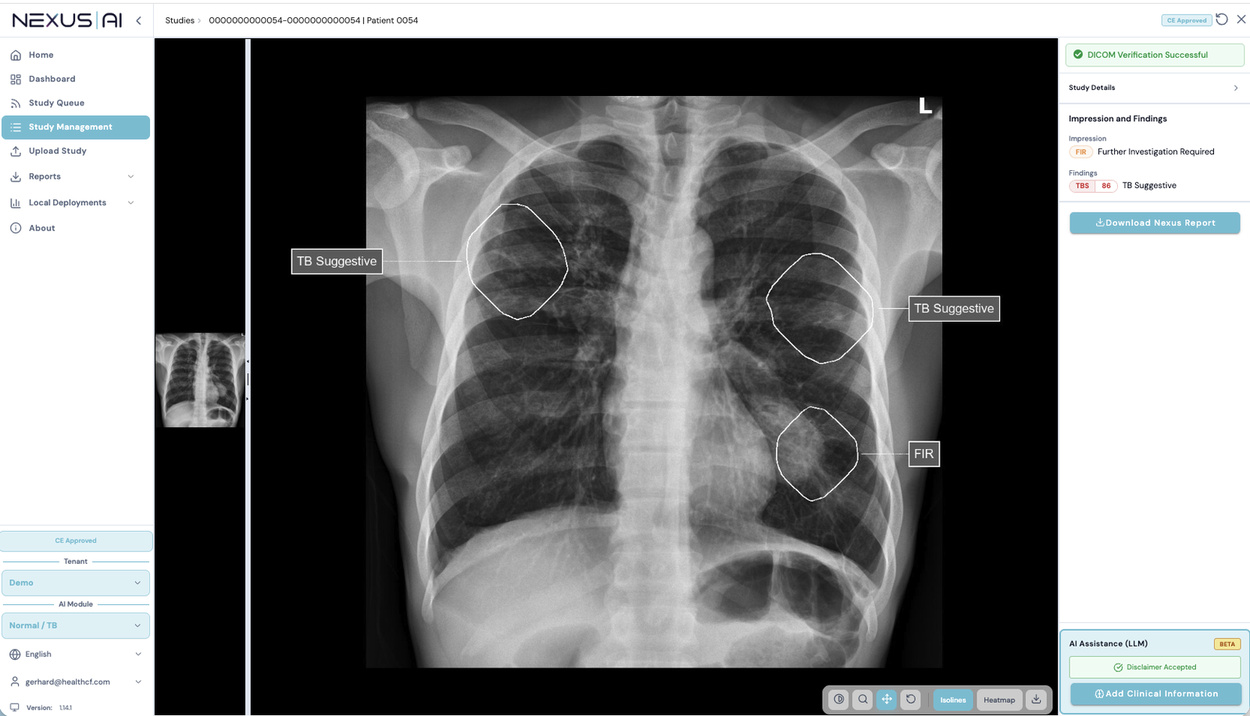
Image: research.google
Indonesia’s Ministry of Health is fine-tuning both models on domestic chest X-rays, aiming to screen 50 million citizens a year. According to Google, the models run on local infrastructure so that patient data never leaves the country. The approach is designed to ease the burden of reviewing an enormous volume of X-rays while keeping the data at home.
Research into cough sounds is also under way for places where X-ray equipment is hard to reach. Google’s HeAR was trained on more than 300 million audio clips. The technology uses cough sounds recorded with an ordinary smartphone microphone for screening. Partners including CIDRZ in Zambia and the Aurum Institute in Ghana are building the clinical evidence base for cough-based screening through joint research.
Three things are worth watching from here: whether the Nexus AI tool spreads to more countries, whether the models actually make it into Indonesia’s national screening program, and what the clinical research on cough-based screening finds.