Restaurant Franchisee Uses ChatGPT to Cut Cash Reconciliation from 3 Hours to 5–10 Minutes
OpenAI has published a look at how three US restaurant locations use ChatGPT Work. Pricing analysis and payroll now take far less time, and humans still review the schedules and the analysis.
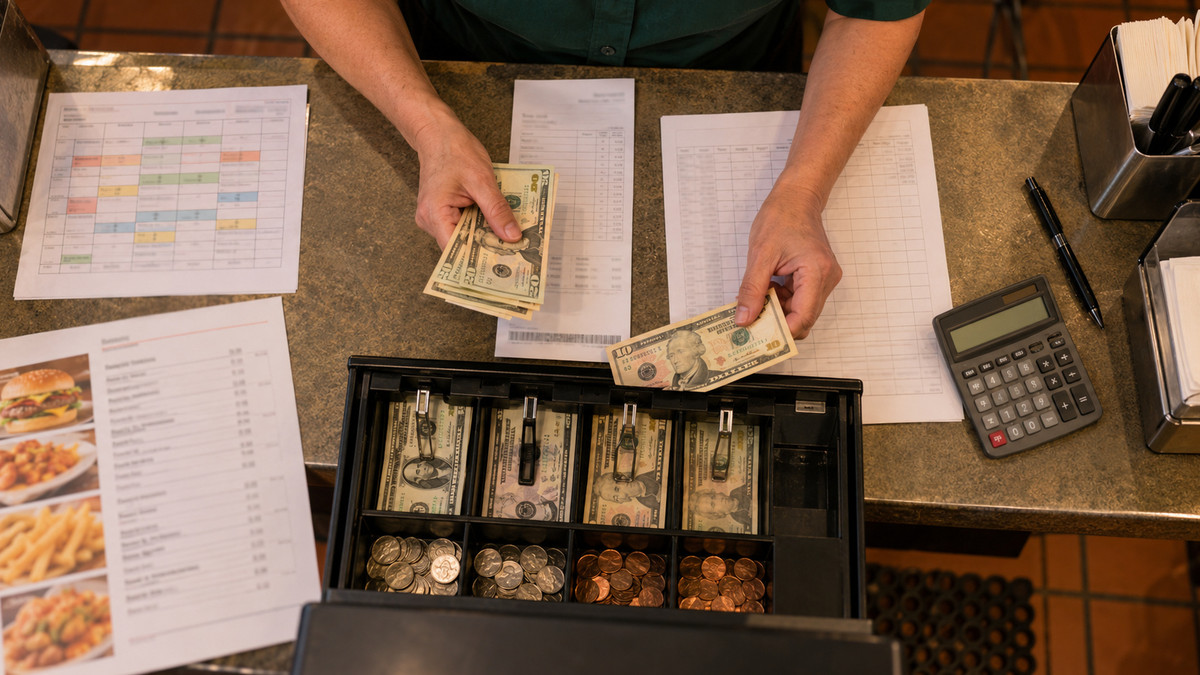
On October 20, OpenAI published a case study on using ChatGPT to cut down the hours that go into running restaurant locations. The subject is Ted Taylor, an independent franchisee in New Mexico who operates three co-branded Schlotzsky’s and Cinnabon restaurants. According to OpenAI, the monthly cash reconciliation task that used to take 3 hours now takes 5–10 minutes.
Time saved on pricing analysis and cash reconciliation
The biggest drop came in menu pricing analysis. OpenAI says the work went from 5 days to 1–2 hours, a reduction of roughly 95%. ChatGPT Work, the business version of ChatGPT, was used to recommend both in-store prices and the prices applied to delivery orders.
Cash reconciliation means matching a store’s cash transaction records against bank deposits. OpenAI says the monthly time spent on that task fell by about 94%. Taylor also saved 4 hours of manual work on every payroll run.
AI drafts the schedule, people review it
Taylor used plain ChatGPT for research and for drafting documents. He used ChatGPT Work for operational tasks, analyzing pricing, sales, forecast, scheduling, and labor cost data. In other words, he moved past document writing and into using AI to examine his stores’ numbers and make calls on pricing and staffing.
On the labor side, he uses it to find problem spots in time records. ChatGPT Work flags overtime, shifts that ran past their scheduled end, and gaps where coverage is thin. It also builds schedules, but any AI-generated schedule gets reviewed and corrected by a manager before it goes into the scheduling system. Taylor likewise checks the analysis himself before acting on it.
He also built his own tool for collecting and managing staff requests: a web portal, created with ChatGPT Work, where employees can request supplies or repairs.
$50,000 to $100,000 a year, still a projection
Taylor estimates that tightening up scheduling could lower hourly labor as a share of sales by 1–2 percentage points. That would free up $50,000 to $100,000 in annual cash flow across the three stores. Unlike the hours already saved, that figure is an estimate that has not yet materialized.
The case study shows how an owner-operator uses AI for repetitive tasks such as pricing analysis, cash reconciliation, and payroll. The open question is how much of that saved time actually turns into lower labor costs and better cash flow.