Google's Brin: "The Loop Where AI Helps Build the Next AI Has Begun"
Brin says that over the course of the Gemini Flash releases, AI has taken on a growing share of development work. Google's new model, Gemini 4 Argon, is now rolling out to paid app subscribers and developers.
Google co-founder Sergey Brin says the loop in which AI is used to develop the next generation of AI models has already begun. Speaking in a roundtable on the development of Gemini 4 Argon, published on October 14 local time, Brin said the company entered this pattern over the course of Gemini 3.6, 3.7 and 3.8 Flash. In other words, existing models help build the next model, and the results feed back into development.
AI building the next AI?
Brin said Google is beginning to enter a stage of “recursive self-improvement” - meaning AI contributes to building better AI, and that process repeats. The thrust of his remarks is that existing Gemini models are playing a growing role in researching and developing their successors.
Brin also said the pace of internal development is accelerating. He added that by the time an introduction video for a new model goes out, the team will likely have already built several follow-up models. Of the earlier Gemini 3.8 Flash, Google said it improved on 3.7 Flash in software development and in agentic tasks, where AI handles work on its own. Anthropic has also disclosed cases of AI assisting with model research and development.
What you can do with Argon
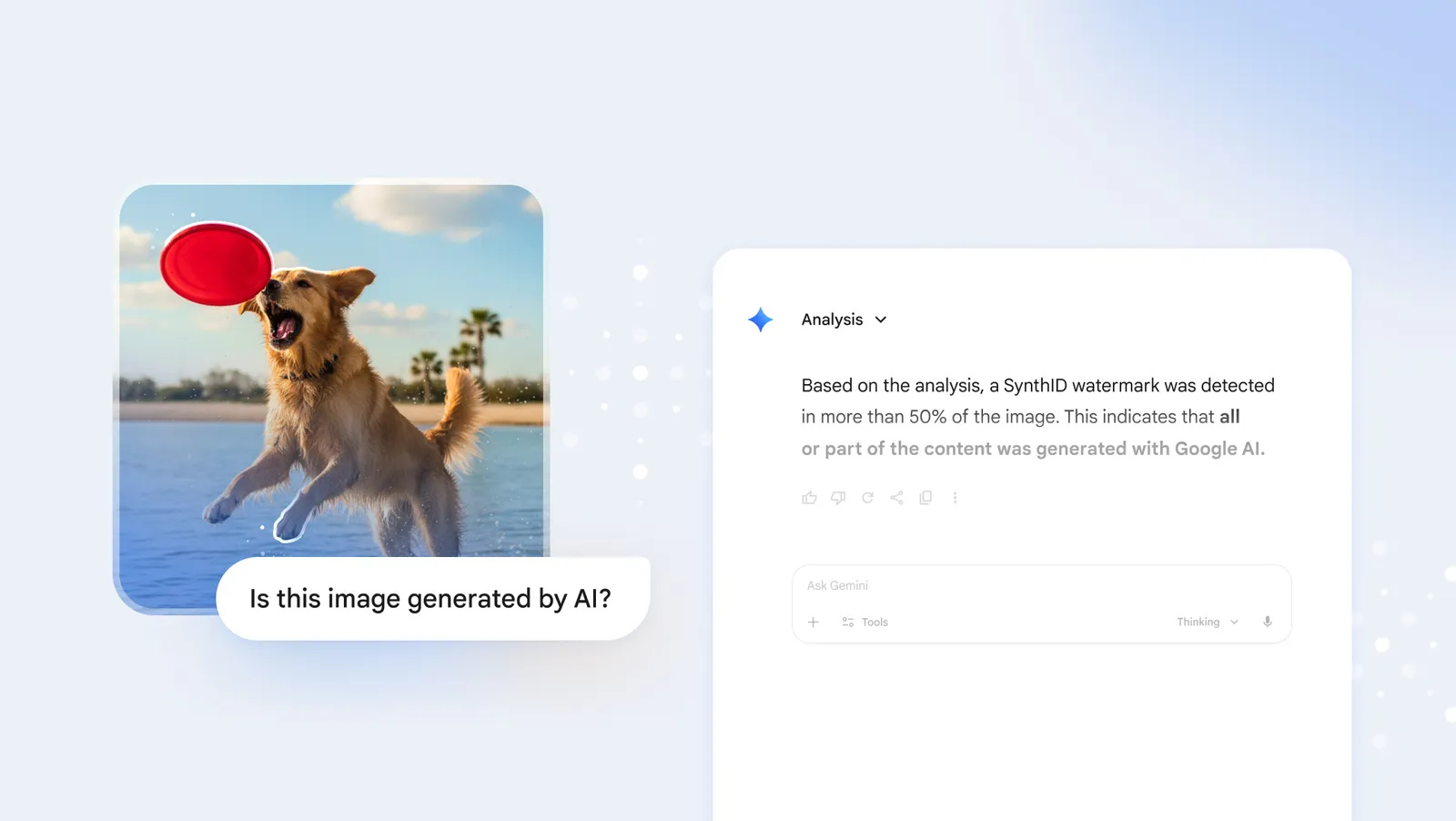
Google began rolling out Gemini 4 Argon through the Gemini app and its API on October 13. The API is how developers plug a model into their own services. Argon accepts not only text but also images, audio and video as input, and responds in text. That makes it useful for jobs where you feed in material in several formats at once and get a written summary back.
Source: Google (press release)
Google said Argon scored 77.9% on DeepSWE v1.1, a benchmark that tests performance on software development tasks. The company also listed the model’s known limitations, including plausible-sounding false answers, intermittent response delays and processing timeouts.
Who can use it in Korea
In the app, Google said Argon is rolling out globally in stages to Google AI Pro and Ultra subscribers. The official support list for the Gemini web app includes the Republic of Korea and the Korean language. App access is limited to paying subscribers, while developers using the API are charged based on usage.
Introductory API pricing runs through November 30 at $2 per 1 million input tokens and $10 per 1 million output tokens. A token is the unit used to count pieces of text. After that, the prices rise to $4 and $20 respectively. For the same usage, both input and output costs double, so developers planning to build Argon into a service should also factor in what they will pay once the introductory period ends.
Brin’s comments show that AI’s role is expanding from answering user questions to researching and developing the next AI. The things to watch from here are the scope of development work AI actually takes on, where humans fit in, and how much development time is being cut. For users in Korea, the other points to confirm are when Argon reaches accounts in South Korea and how far Korean-language support extends across individual features.