Google Opens Document-Verification AI to the Public: 10 Research Highlights, Including Flood Forecasting
Deep Review, which had been vetting academic papers, is opening to general users so it can check contracts and financial reports too. Forecasting models for numerical data are headed for the enterprise-focused Gemini for business, and Google also showed off research in healthcare, disaster response, and education.
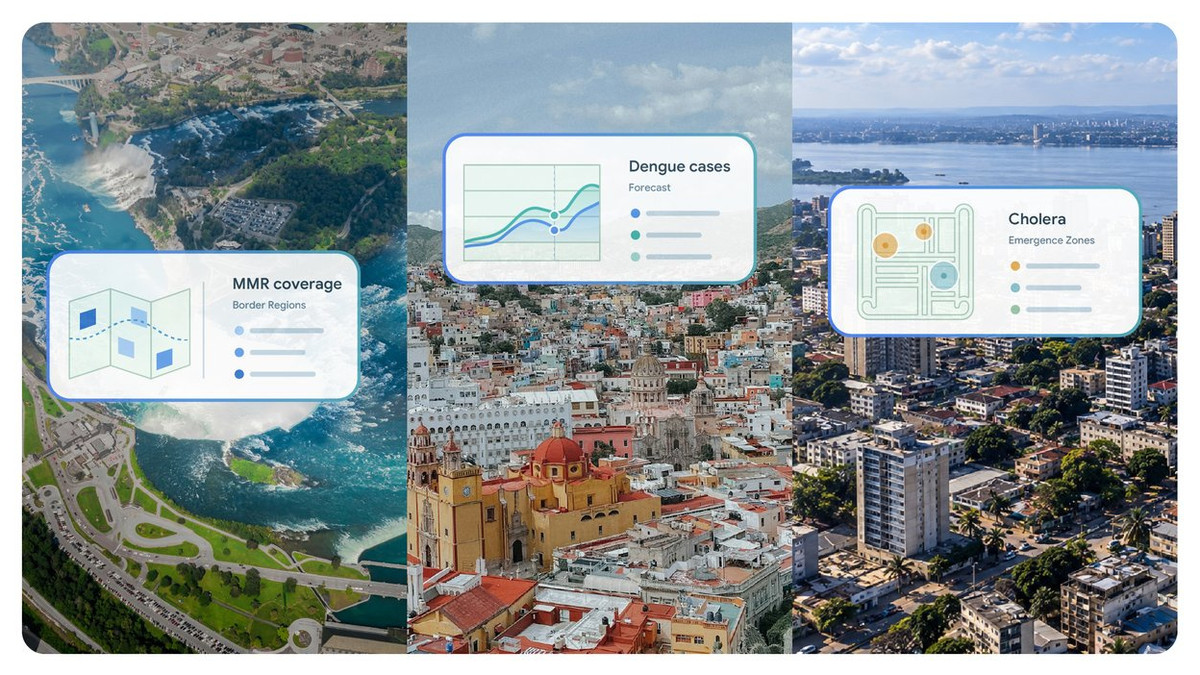
At its Research@ event in Mountain View, California, on October 14 local time, Google introduced 10 AI research results and tools. The lineup ranged from a wider public rollout of Deep Review, which verifies technical documents, to work on healthcare, flood forecasting, and experimental tools for the classroom. The emphasis was on features that not only researchers but also corporate analysts, clinicians, and teachers can actually use.
An AI that read 16,000 papers. Next up: contracts
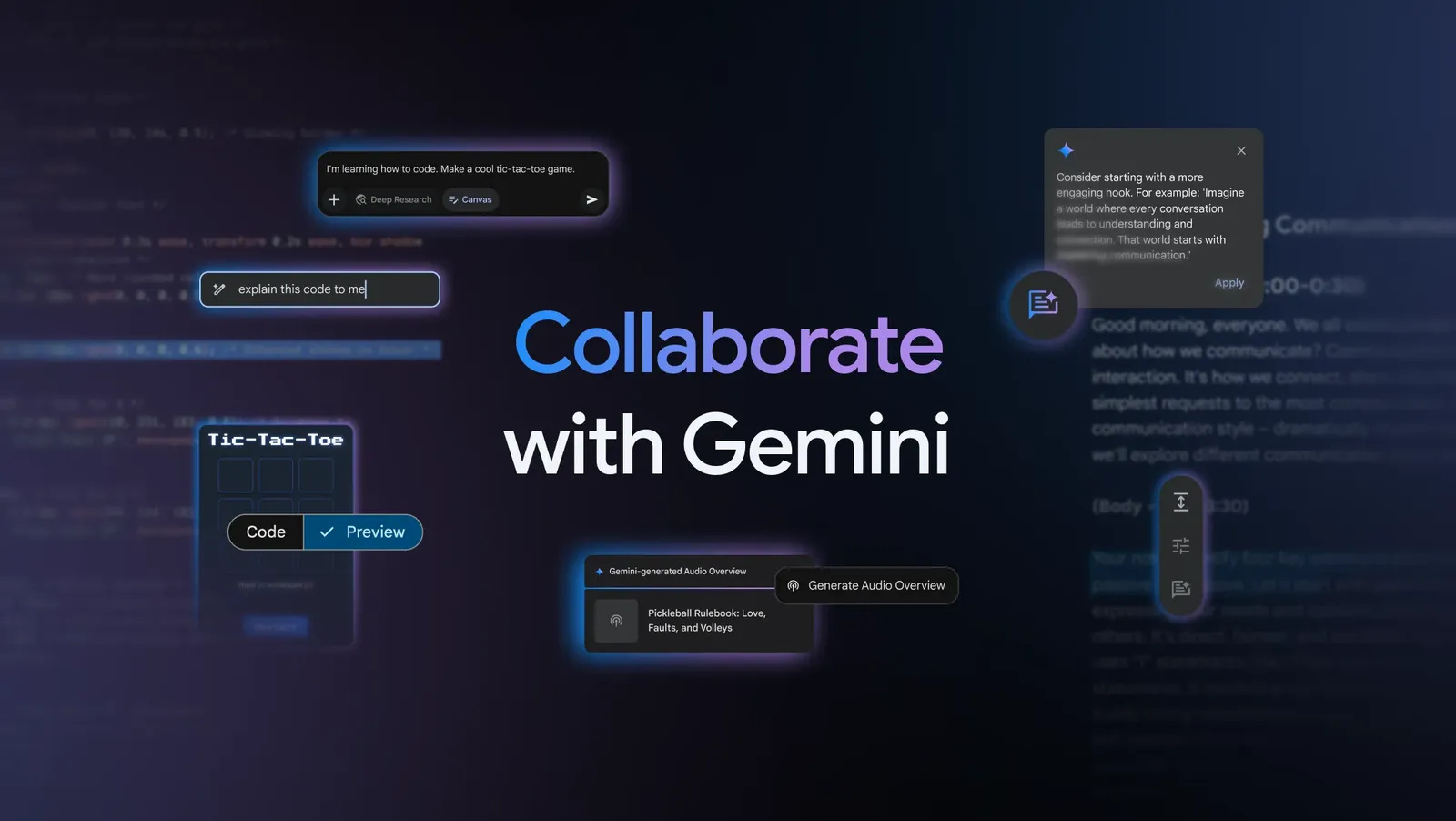
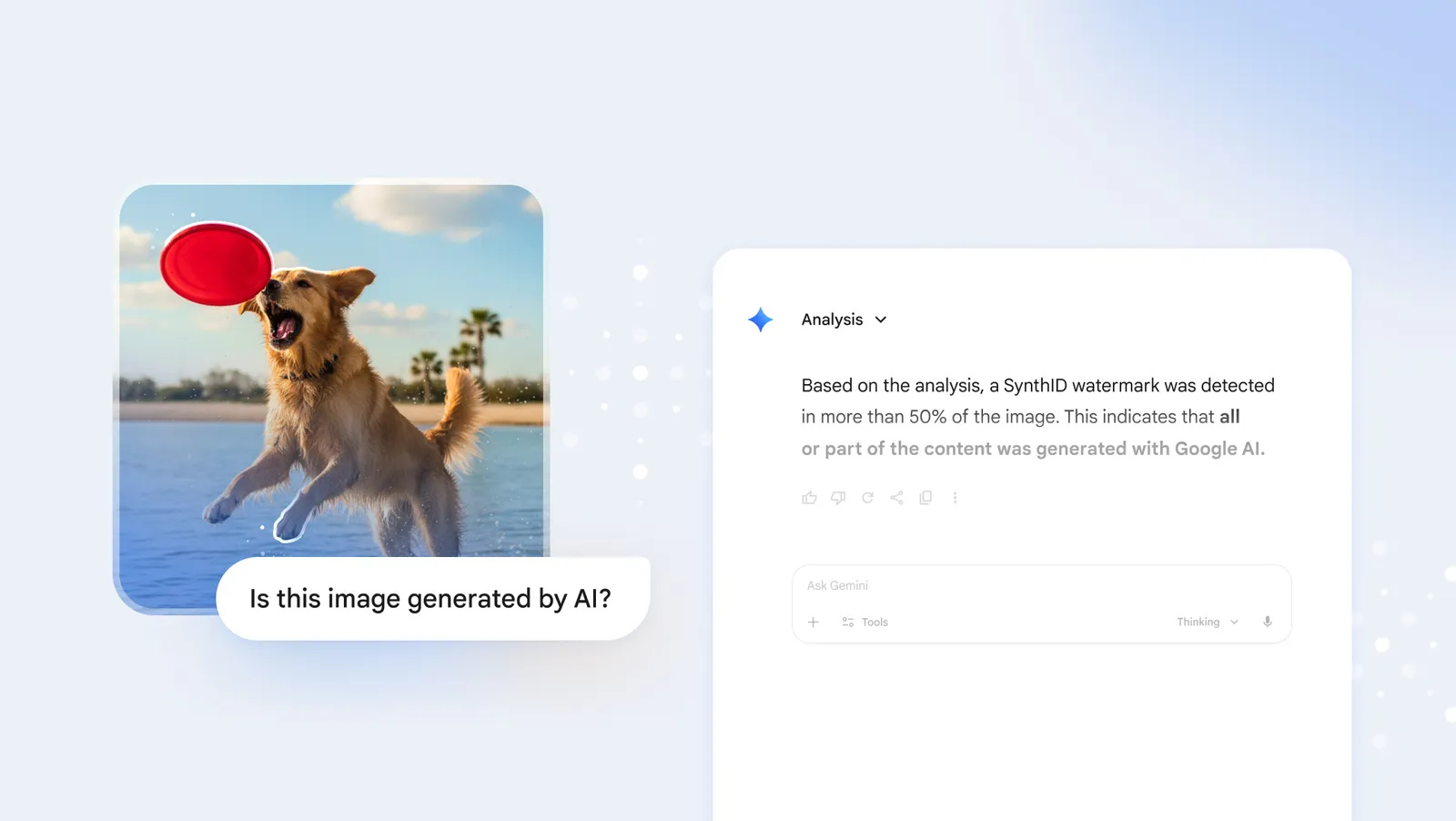
Deep Review checks whether the logic of a long document holds together from start to finish and whether its claims are properly supported. Google said that researchers and outside authors used an early version to review more than 16,000 papers submitted to major computer science conferences. Now the company is opening it up to general users so that legal contracts and financial reports can be vetted as well.
Google is also expanding what it can do with corporate numerical data. TimesFM, which forecasts data that changes over time, and TabFM, which handles tabular data, are slated to be built into Gemini for business, the company’s enterprise product. Both models are already available to all Cloud BigQuery users. Google explained that they can produce forecasts right away without separate training, and added that users will soon be able to analyze things like product sales volumes or hospital bed capacity within seconds inside Gemini.
On the science side, Google showed a system in which multiple AI agents divide up roles to reproduce existing research methods and apply them to different problems. A research team using the system found, in computer simulations, a urinary catheter design that better prevents bacterial infection. Co-Scientist, built together with Google DeepMind, is a tool that proposes new hypotheses. Google said it helped researchers at Stanford University and elsewhere with work on repurposing existing drugs to treat liver fibrosis.
An AI consultation before seeing the doctor: did it help?
In the AMIE study, 98 patients consulted an AI before receiving urgent care. Clinicians said the AI-generated summaries helped them prepare for the visit in 75% of cases. MedGemma, which developers use to build specialized medical apps, has passed 10 million downloads. Google said it is researching features that work with health records alongside other medical apps, and is broadening the range of data it covers to include mammography images, ultrasound, and electrocardiograms.
Source: Google (press release)
For disaster response, Google presented river flood forecasting and urban flash flood forecasting separately. The company said its existing river forecasts support predictions up to seven days ahead across more than 150 countries, covering more than 2 billion people. The flash flood research drew on more than 2.6 million incident records compiled by using Gemini to analyze flood-related news coverage. On that basis, Google said, it trained a new model that predicts the likelihood of urban flash floods up to 24 hours in advance.
That flood data has been folded into Google Earth AI and released for research use. Google is also expanding early access to Earth AI. Google Dataset Search, which helps users find more than 100 million public datasets, and TimesFM are being added to Earth AI as well. The idea is to automate complex tasks using more than 70 geospatial analysis tools. Google.org is providing a total of $10 million to organizations working in crisis response and public health.
Science simulations that teachers build themselves
In education, Google showed research aimed at helping teachers build science and math simulations tailored to their lessons. A sample collection includes more than 30 teacher-reviewed learning items for middle and high school. Schools can apply to a Google for Education pilot program.
Source: Google (press release)
Google also unveiled Play with Putty, a collaborative tool. Give it instructions in everyday language and it builds a screen for you, and it is designed so that several people can edit together in real time. A waitlist is open at Google Labs. Google also plans to unveil next week a next-generation low-power AI chip designed with Synaptics.
The thrust of these announcements is to widen AI’s uses beyond writing into verification, numerical forecasting, visit preparation, and co-creation. What to watch from here is whether the previewed features actually ship, and what results the clinical studies deliver.