Google Launches Gemini 4 Argon, With App Access for Paying Subscribers
The model targets complex coding and professional work. In the Gemini app it is available to Pro and Ultra subscribers, and the launch price for developers is $2 per million input tokens.
Google rolled out its AI model Gemini 4 Argon worldwide on October 13 local time. Developers and businesses can wire it into their own services through AI Studio and the Gemini platform. Google AI Pro and Ultra subscribers can use it in the Gemini app and in Search’s AI Mode. Ultra subscribers also get access inside Google Antigravity, the company’s coding tool.
What got better for complex work
Google says Argon is strong at multi-step coding as well as finance, legal, and scientific tasks. The company says it follows writing instructions better than previous Gemini models, and that its answers contain less needless repetition and fewer stock phrases. Google also says it tuned the model’s spatial understanding and its precision with numbers, and that the model is already being used to build complex 3D scenes and animations.
As a flagship example, Google pointed to a restructuring of Chrome’s codebase. The company says it used Argon to modify hundreds of files, finishing in a few weeks what would have taken months. That work lays the groundwork for a feature that moves a web page between tabs, the side panel, and separate windows without reloading it. Google added that within its internal development teams, AI-written code submissions rose by more than 35 percent, while rollbacks of modified code fell by roughly a third.
A first-place score, and a different verdict
Google says Argon took first place on the Vals Index, which evaluates finance, coding, legal, and tax work. The Decoder, meanwhile, reported that in independent performance testing Argon trailed Anthropic’s Claude Opus 5.5 and Meta’s Muse Wonder Full.
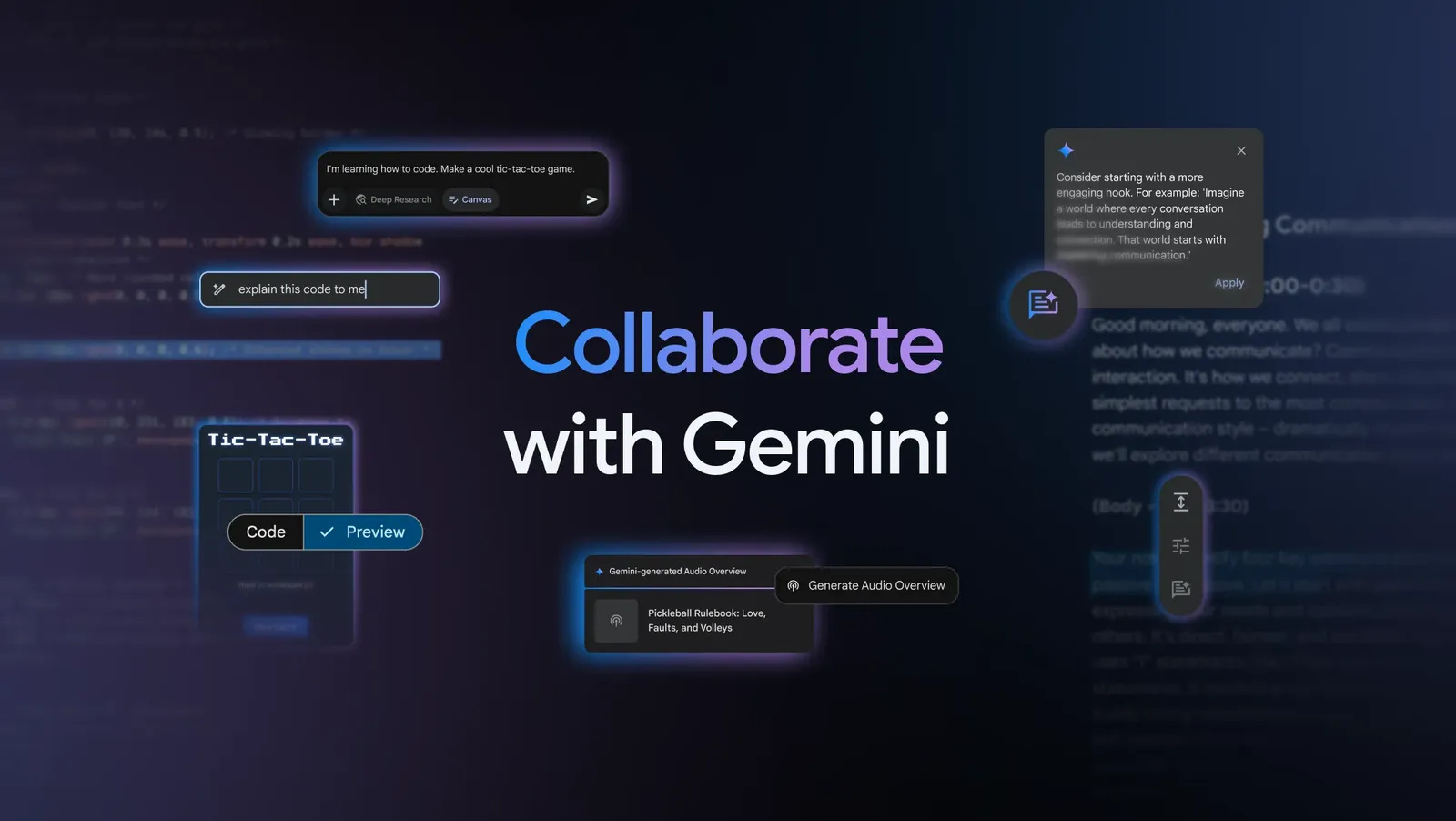
Source: Google (press release)
In research settings, the model has been used to speed up computation and assist with analysis. Google says researchers used Argon to improve the quantum chemistry software xTB, making molecular structure prediction up to 2.3 times as fast as before. The company also described a case from researchers at Gamow Labs: while analyzing the genome of a newborn with a rare lung development disorder, Argon identified a chromosomal rearrangement that existing software had missed for years.
Who can use it, and at what price
Developers who plug the model into their services pay by the token, the unit used to measure chunks of text. The launch price is $2 per million input tokens and $10 per million output tokens. Cached input that gets reused carries a 95 percent discount. Ars Technica reported that developer pricing comes with a 50 percent discount through November. In the app, Google AI Pro and Ultra subscribers can use it.
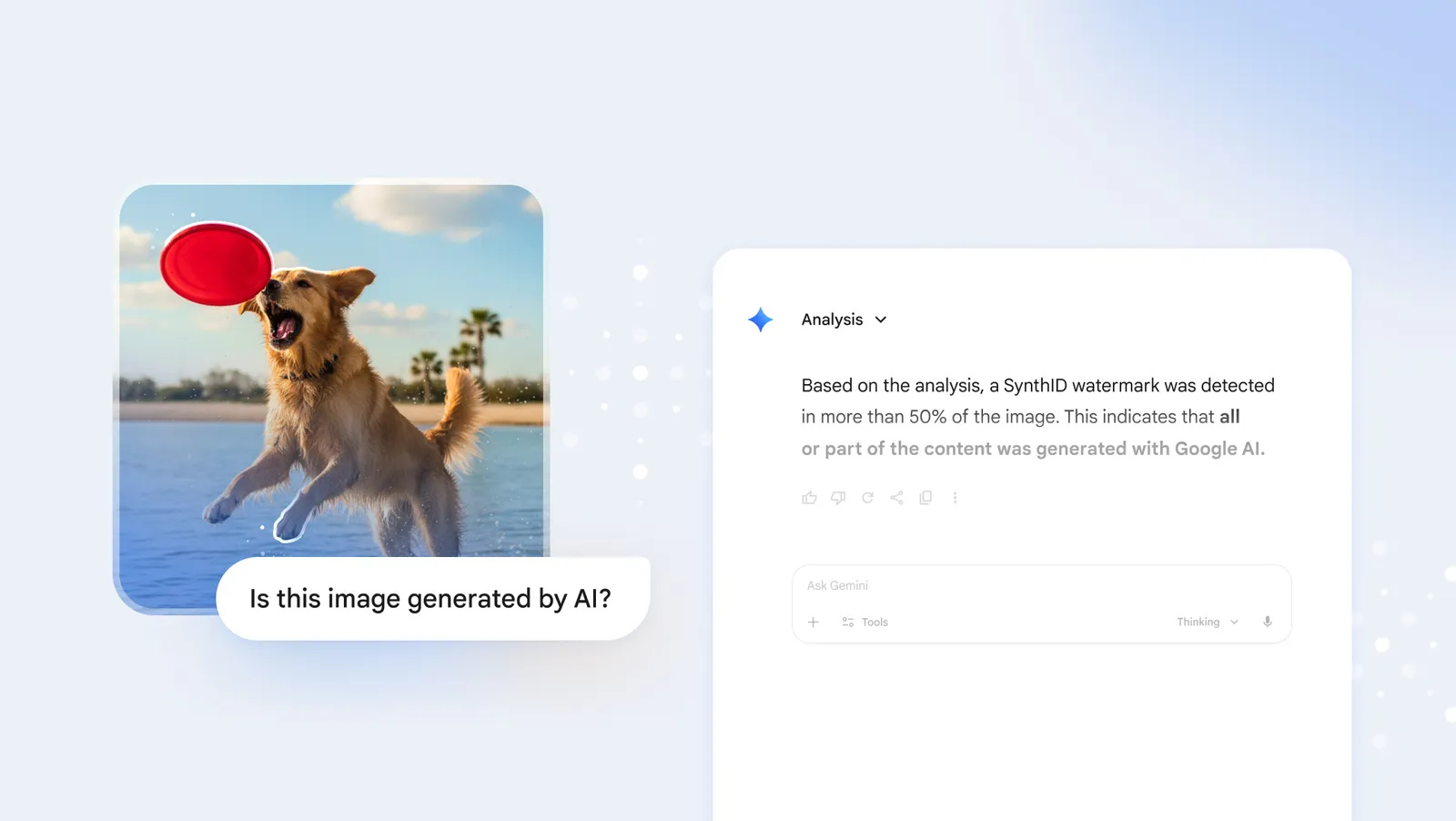
Source: Google (press release)
There is also a separate program for scientists. Google says it will give 10,000 scientists free access to Google Antigravity’s highest usage limits for six months. Applications are already open, and access will be granted in stages depending on eligibility requirements, capacity, and the selection process.
With this launch, Argon moves beyond developer tooling and into the app and search experience used by paying subscribers. The question going forward is whether the time savings and code quality gains Google is touting actually show up in real users’ work. For readers in South Korea, the deciding factors will be which features are available on a Korean account, how well the model handles Korean-language tasks, and what the cost looks like once the discount period ends.