Australia First to Back Rooftop Solar Declaration Targeting 300 Million Homes and Lower Installation Costs
Australia is the first country to back an international declaration to double the number of households using rooftop solar by 2030. The core of the plan is cutting upfront installation costs and grid connection red tape, while opening a path for renters and apartment residents to take part.
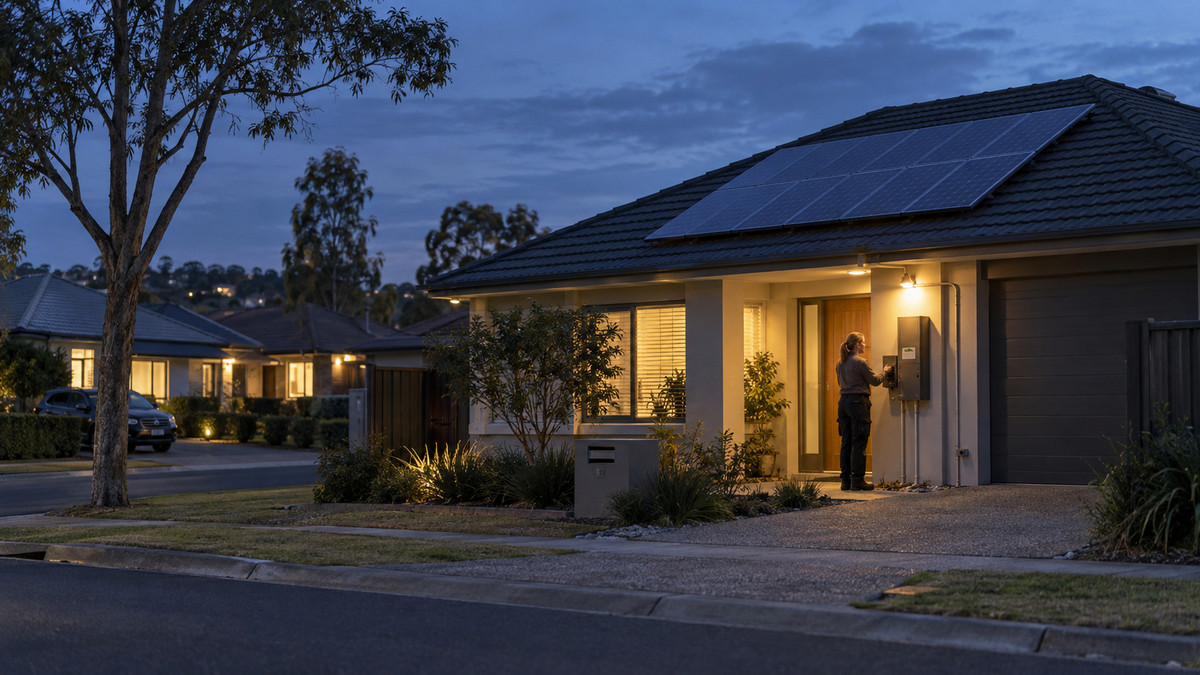
Australia has endorsed an international declaration to expand the number of households worldwide using rooftop solar to at least 300 million by 2030. The Global Solar Council (GSC) said Australia announced its support at a pre-COP31 meeting held in Fiji on October 8 local time. According to the council, Australia is the first country to endorse the “Global Rooftop Solar Declaration.”
About 150 million households currently use rooftop solar. The declaration aims to at least double that figure, which would mean bringing the technology to roughly 150 million additional households. The groups behind the push estimate that meeting the target would bring total installed capacity to about 2 terawatts (TW).
Cutting installation costs and permitting red tape
The costs and procedures that weigh on households installing solar are treated as central challenges. Governments that sign on to the declaration agree to work together on streamlining permitting and grid connection processes. The text also calls for financial tools to lower the upfront installation costs households have to pay.
Power grids and energy storage systems, which store electricity for later use, would be built out alongside the panels. Expanding the workforce that carries out installations is also part of the plan. Beyond policies to reduce households’ upfront costs, the idea is to simultaneously widen the infrastructure needed to install the equipment and connect it to the grid.
The declaration is an international cooperation initiative aimed at spreading solar equipment that is already in use more widely. Solar Citizens, one of the groups involved, unveiled the rooftop solar expansion campaign earlier at COP30 in November 2025. Australia’s endorsement marks the first time a national government has joined the effort.
Will apartment residents be able to take part?
The declaration also includes measures for people who cannot readily use a roof of their own. It proposes approaches such as community solar, in which multiple households share a single installation, targeted at low-income households, renters and apartment residents. The intent is to extend access to households that cannot easily put panels on an individual home.
Local as well as national governments can endorse the declaration. Participation is voluntary and carries no legal obligations. Each participant sets its own policies according to national circumstances.
For readers in Korea, the provisions on community solar for apartment residents and renters are worth watching. The question going forward is what concrete support policies participants will build around the target, and whether households will actually install and use solar power as a result.