From News Digests to Video Production, AI Tools Spread Into Everyday Life
New projects that help with specific tasks, such as industry-specific news sites, learning to code, and managing assets, drew attention. Collections of instructions that teach AI how to work also drew renewed interest.

This week brought a crop of AI projects built for specific jobs: curating news, producing video, managing personal finances. There were also tools that hand coding over to AI while teaching the user how design decisions get made, and others that turn dense answers into readable web pages. Below are 7 new projects, followed by tools that drew renewed attention and this week’s releases.
KKKKhazix/AIHOT: a news site tuned to your industry
A website template that gathers news in your areas of interest and turns it into a daily briefing. According to the developer, the AI filters stories, generates Chinese-language headlines and summaries, then clusters reports covering the same event. Sources and selection criteria are configurable, which makes it a fit for anyone who wants to spin up a news site for their own industry. It has 7,171 stars on GitHub and the code is MIT licensed. The developer asks users not to reuse the AIHOT name or logo, and to use their own name instead.
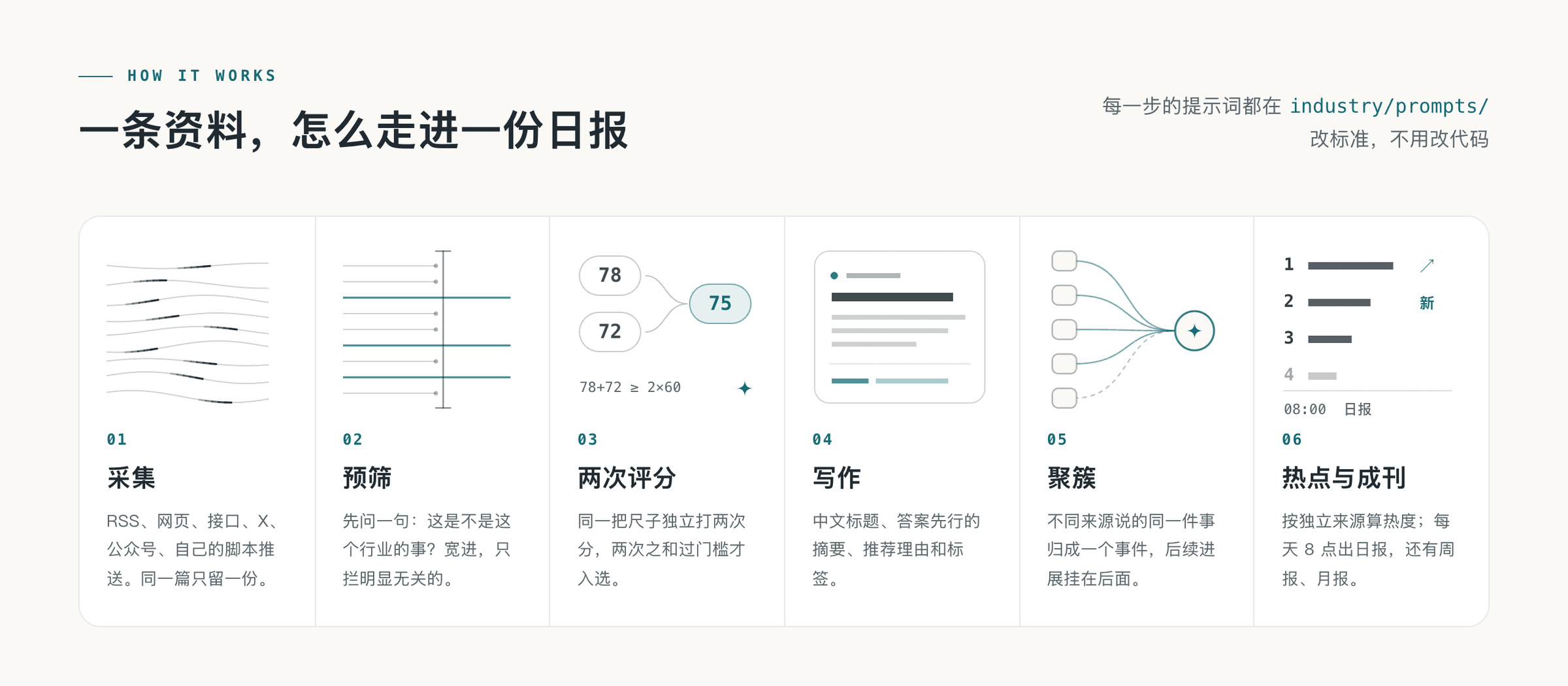
Image: GitHub KKKKhazix/AIHOT README (MIT)
CopilotKit/OpenDots: an AI coworker that keeps the conversation going
A scaffold for building AI coworkers that move between text chat, voice calls, and Slack. The developer describes AI agents that handle tasks on their own, each with its own computer, and can be used on the web and on mobile. It is worth a look for teams that want to host a work-focused AI on their own servers. Conversational features require CopilotKit Intelligence: you can use the service CopilotKit operates or a trial build running on your own machine, while self-hosting on company servers requires a licensed build. It has 4,905 stars on GitHub and is MIT licensed.
Image: GitHub CopilotKit/OpenDots (MIT)
nykooi1/vibe-wise: learn to code while building with AI
A learning aid that plugs into Claude Code and Codex. Before the AI writes any code, it asks the user how they want to approach the problem, then explains the trade-offs of each choice and any unfamiliar concepts. The user is the one who settles the design and decides when to start building. It targets people who want to pick up development skills by building apps themselves. It has 3,413 stars on GitHub and is MIT licensed.
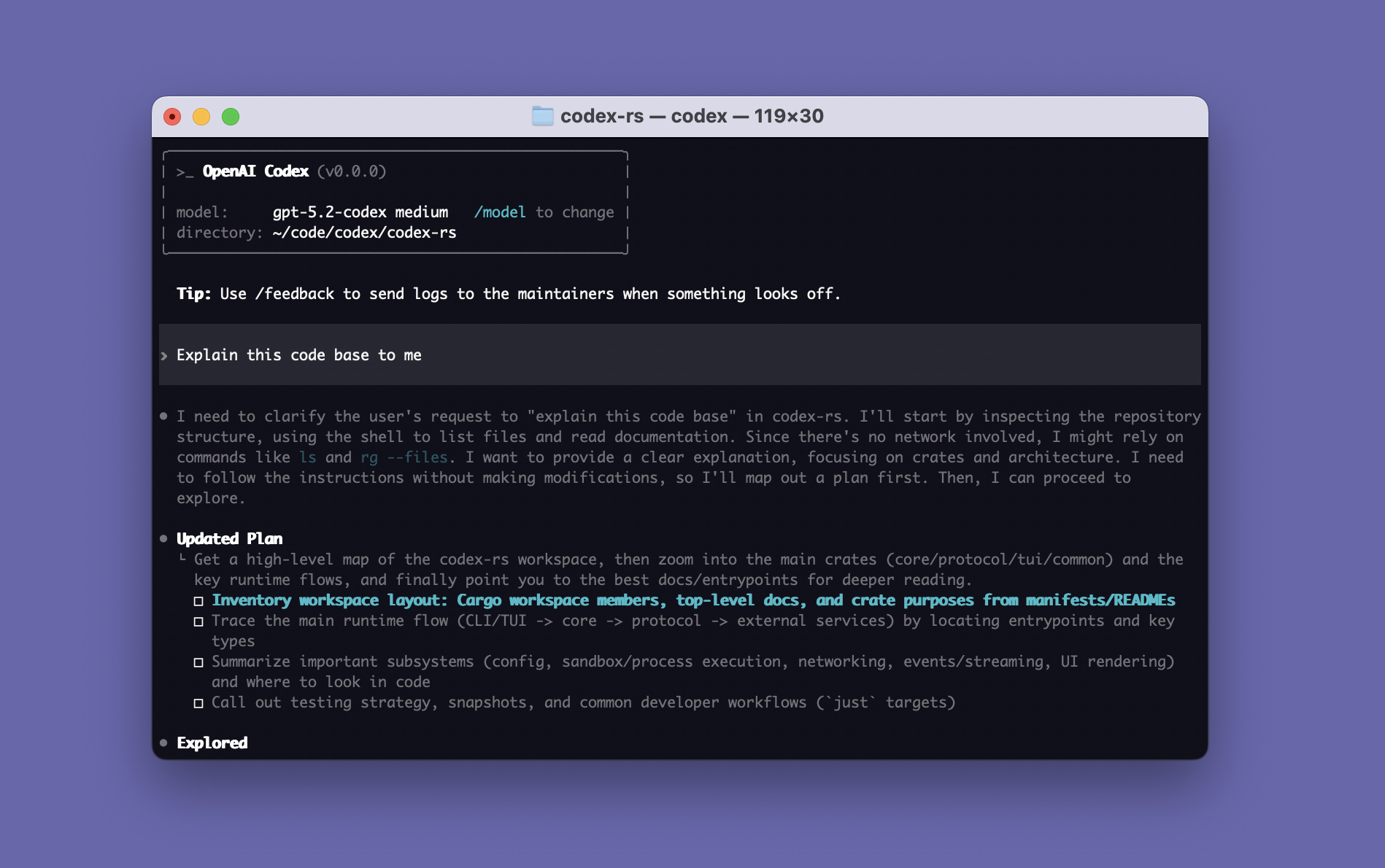
Image: GitHub openai/codex README (Apache-2.0)
mhtsec/ARTEX: AI that simulates attacks to find weak spots
A system in which AI runs simulated attacks to surface security vulnerabilities. It is aimed at the people responsible for security assessments. The repository preserves the source code of the final version, and the project also published the dashboard that shows task progress and the issues it found. The online demo runs on mock data. It has 3,132 stars on GitHub and is AGPL-3.0 licensed.
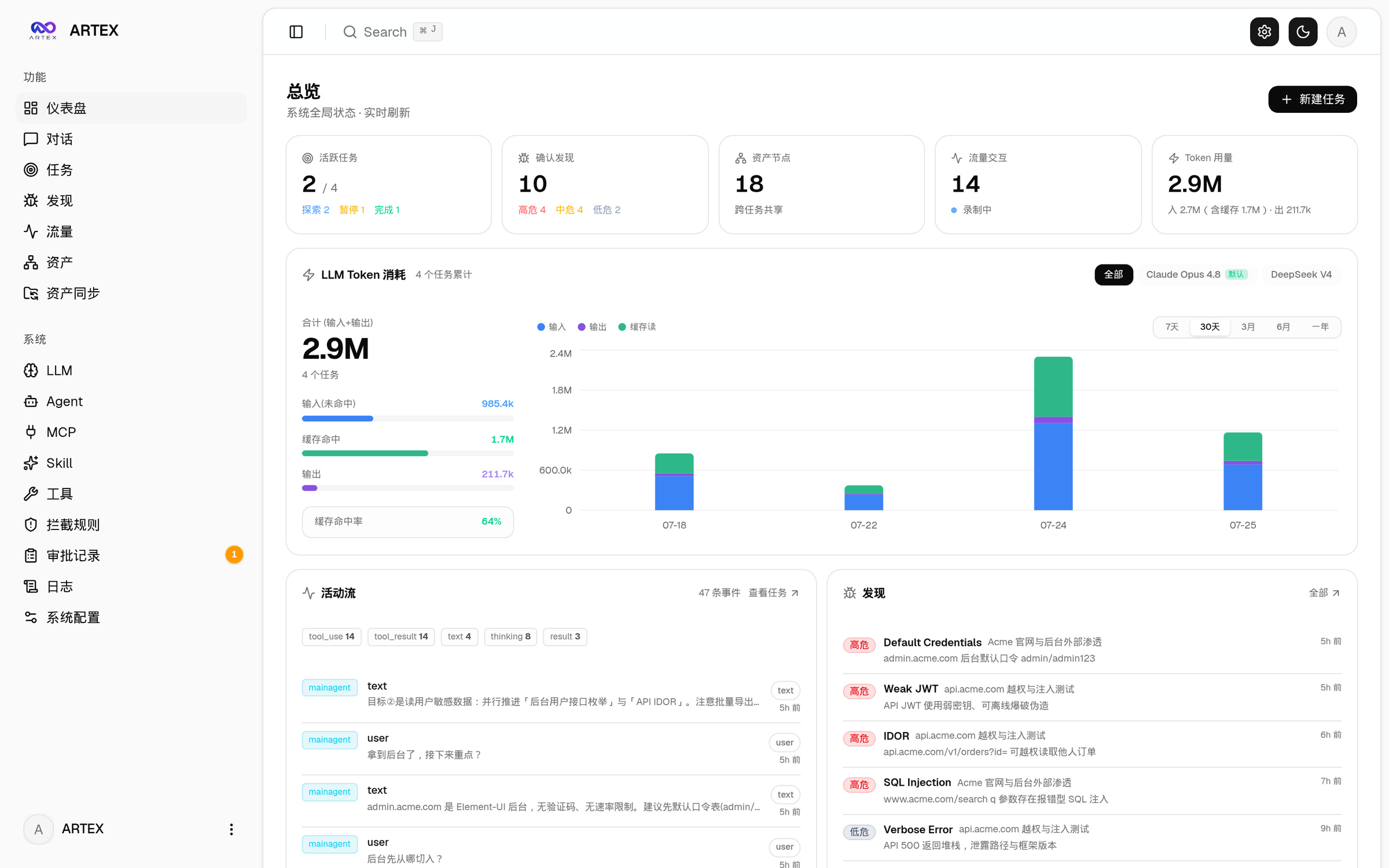
Image: GitHub mhtsec/ARTEX README (AGPL-3.0)
QingYunA/answer-me-with-html: complex answers on a single page
A bundle of task instructions that turns an AI’s answer into a one-page website. The AI writes a short draft, and a companion tool shipped alongside it converts that draft into a page. The developer says the output can be saved as a single file and viewed without an internet connection. It suits people who would rather read answers on a dedicated page than scroll a long chat window. It has 2,894 stars on GitHub and is MIT licensed.
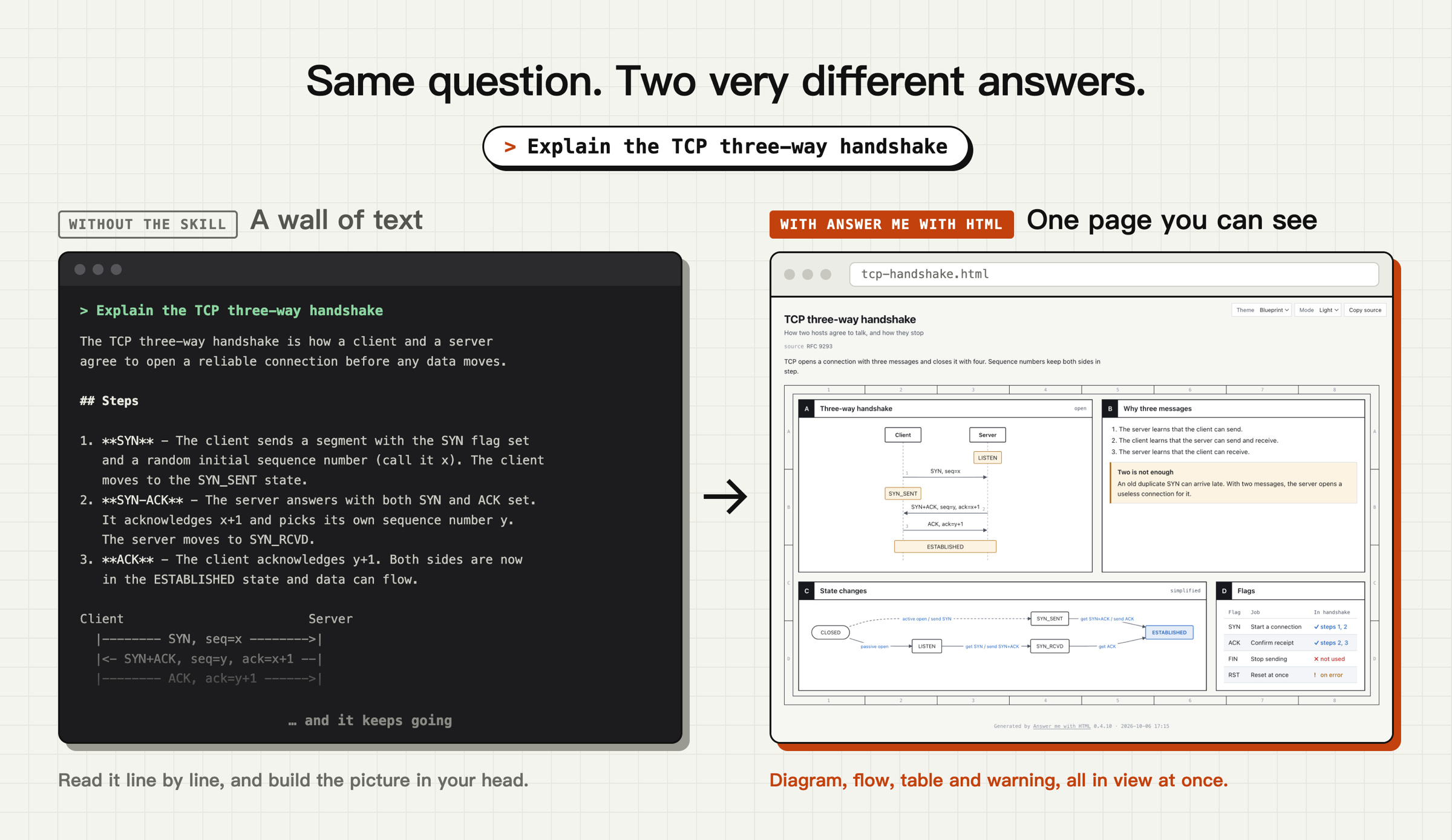
Image: GitHub QingYunA/answer-me-with-html README (MIT)
edenfunf/reelmimic: new video in the style of a reference clip
Feed it a reference video and tell it what you want, and it produces a new video in a similar style. The developer says Claude Code or Codex walks through planning, production, and review together with the user. It accepts video files, phone recordings, and YouTube links, making it a fit for creators who already have reference footage in hand. It has 2,205 stars on GitHub and is MIT licensed.

Image: GitHub edenfunf/reelmimic README (MIT)
LosaLosSantos/aurelio-finance: asset tracking that stays on your computer
A personal finance app that manages net worth, investments, exchange-traded funds (ETFs), cash, and debt in one place. The developer says records are stored on the user’s own computer, and the AI advisory feature can be switched on only when wanted. Using the AI features requires your own OpenRouter API key. It has 2,175 stars on GitHub and is MIT licensed.

Image: GitHub LosaLosSantos/aurelio-finance README (MIT)
Beyond the new tools, two collections of instructions for guiding AI development work, plus the machine learning framework TensorFlow, drew renewed attention.
mattpocock/skills: AI instructions you pick to match the task
A collection of small task instructions built so developers can edit and combine them as needed. The developer says they work across multiple models. It has 286,073 stars on GitHub and is MIT licensed.

Image: GitHub mattpocock/skills README (MIT)
multica-ai/andrej-karpathy-skills: fewer mistakes from coding AI
A single instruction file that guides Claude Code’s behavior, inspired by the problems with AI coding that Andrej Karpathy has pointed out. It is aimed at Claude Code users. It has 218,843 stars on GitHub, and the repository includes no license file.
tensorflow/tensorflow: tools to build and run AI apps
A platform researchers and developers use to study machine learning models and ship them inside applications. It has 200,868 stars on GitHub and is Apache-2.0 licensed.
Image: GitHub tensorflow/tensorflow (Apache-2.0)
This week’s releases
- pytorch/pytorch: trunk build on October 11.
- modelcontextprotocol/servers: v1.0.0 on October 11.
- BerriAI/litellm: v1.105.0 on October 11.
- open-webui/open-webui: v0.12.0 on October 10.
- vllm-project/vllm: proto-v0.5.0 on October 9.
- openai/codex: 0.162.0 on October 8.
Image: GitHub vllm-project/vllm (Apache-2.0)
The standout theme in this week’s list is just how varied the tooling for pointing AI at a specific task has become. For users in Korea, the practical questions to ask first are how well each tool handles Korean, what the connected services cost, and what conditions apply to using it in Korea.