DistroKid Pulls Tracks After UMG Lawsuit. Artists Say They Got No Warning
Some artists say songs they made without AI were taken down without notice. DistroKid denies UMG's allegations and says it is working to ease the disruption for affected artists.
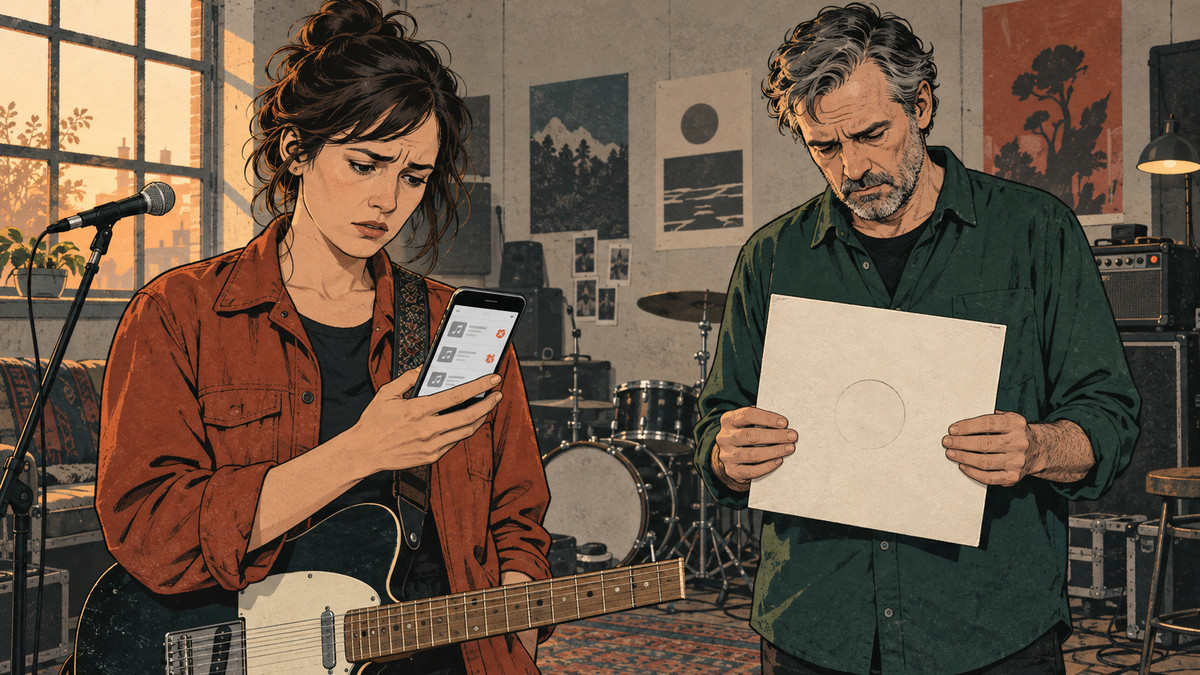
Music distributor DistroKid has acknowledged that it removed some recordings in response to allegations from Universal Music Group (UMG). The Verge reported on October 10 that DistroKid had confirmed the removals. The company puts independent artists’ songs on streaming services. A lawsuit filed in September by UMG affiliates has now spilled over into how those artists’ music gets distributed.
Which songs came down, and why
The removals came to light after artists spoke out on social media. Some said their tracks disappeared with no advance notice and no explanation. Others said music they had not made with AI was pulled as well. Beyond the removals themselves, artists objected that they had no way of knowing why their songs were targeted.
DistroKid told The Verge that the removals were a response to UMG’s allegations. At the same time, the company strongly denied the allegations underpinning the lawsuit. It also said it is working to reduce the disruption for artists hurt by the takedowns.
Is AI-made music allowed?
DistroKid’s published policy permits uploading music made with AI tools. But whoever uploads it must hold 100 percent of the necessary rights. The music cannot infringe on anyone else’s rights, and it has to meet the content standards of the streaming services it is being sent to. Tracks that imitate another person’s voice, likeness, or identity without permission are also barred. So is music generated in bulk purely to game streaming algorithms or to flood services with generic filler.
UMG affiliates filed the suit on September 15 in US federal court in Delaware. In the complaint, UMG alleges copyright infringement and deceptive trade practices by DistroKid. It cited 1,000 recordings that UMG owns or exclusively licenses as examples of infringement. The complaint also argues, in effect, that DistroKid built a distribution pipeline for low-quality AI music.
UMG claims its rights were violated, while some artists say their own non-AI songs were pulled down too. The rights issue behind each removed track, and the basis on which the company put songs on the takedown list, have not been disclosed.
Does this affect users in Korea?
DistroKid operates a Korean-language service and customer support. According to the company, releases generally go live in the countries supported by the services they are distributed to. Language or licensing issues, however, can limit availability in some countries. Artists using DistroKid in Korea may want to check their accounts to see whether any songs have been removed, and whether their tracks are still live on domestic Korean music services.
This case shows a rights dispute over AI music escalating into the removal of songs that had already been distributed. For the artists who uploaded them, the immediate questions are whether their work can keep reaching listeners and whether they can find out why it was taken down. The criteria for removal, the appeals process, and whether the tracks can be restored are what to watch next.