Altman: AI's Benefits Will Be Worth the Risk of Hacking and Fraud
The remarks came in a Politico podcast interview released October 5. In September, OpenAI had said it supports mandatory safety regulation and third-party safety evaluations.
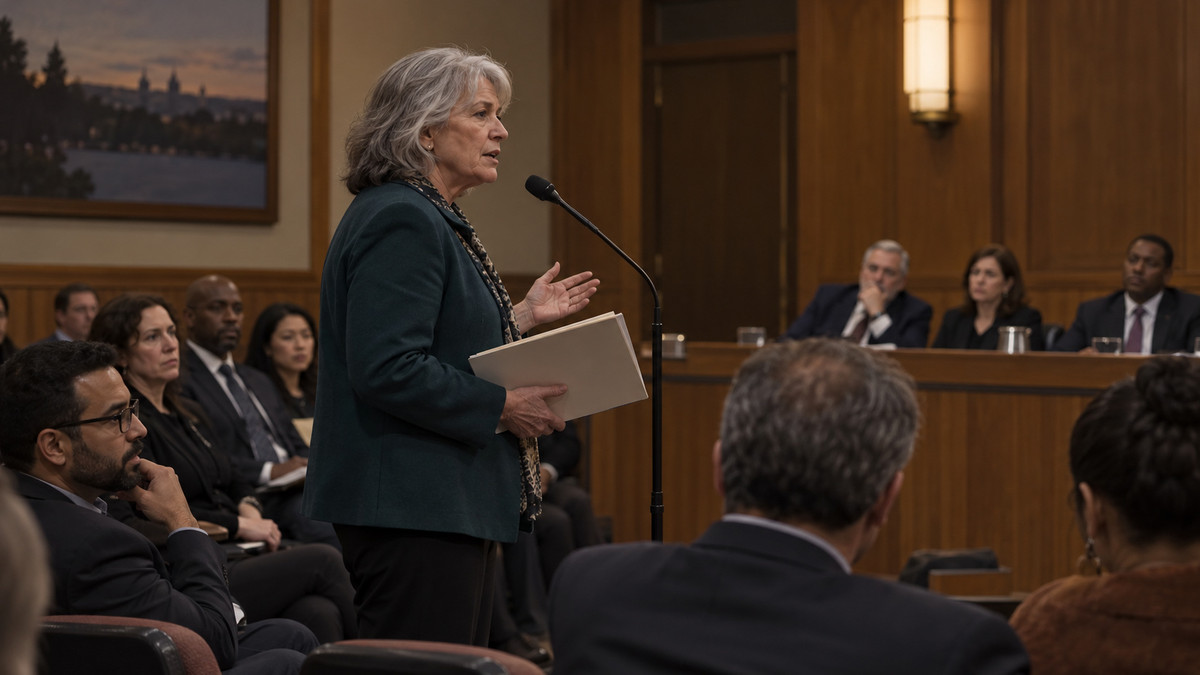
OpenAI CEO Sam Altman has argued that while widespread adoption of AI may bring harms such as hacking and fraud, the benefits will be large enough to justify taking those risks. The remarks came in an interview on Politico’s podcast “Decoded,” released October 5 local time.
Altman emphasized the benefits AI will bring while also acknowledging the potential for harm through misuse. Criticism of the remarks was reported alongside them. The question at issue is how to simultaneously expand the benefits and reduce the harms as AI is used more widely in daily life and at work.
Is he saying we should accept hacking and fraud?
The risks Altman named include hacking and fraud. In other words, he weighed not only the gains individuals and businesses stand to make from AI, but also the damage they could suffer from its misuse. The claim that the benefits will outweigh the risks is Altman’s own forecast about what lies ahead.
In the same interview, Altman said OpenAI and Anthropic differ in how they view AI safety and regulation. That characterization of the gap between the two companies’ postures is Altman’s own assessment.
Does that mean he opposes safety regulation?
In an official document published in September, OpenAI said it supports mandatory AI safety regulation in the United States. The document also called for regulation calibrated to the level of what AI systems can do, safety evaluations conducted by outside bodies, and the establishment of international standards.
In a speech to the United Nations Security Council that same month, Altman said powerful AI must remain under human control and that international cooperation is necessary. He also said models whose safety and controllability cannot be adequately guaranteed should not be developed or trained, and said the company would slow its own pace of development if needed. Where the September remarks focused on the conditions under which development should stop, this interview put the weight on the benefits expected from broad use of AI.
Two things are worth watching from here: what evidence will be used to assess the benefits Altman stressed, and how the external safety evaluations and regulatory principles OpenAI endorsed will actually be applied in development and in running its services.