AI Video of Deceased Victim Speaking Voids Sentence; US Court Orders Resentencing
An Arizona appeals court found that an AI-generated video recreating the victim made the sentencing hearing unfair. The manslaughter conviction stands; only the sentence must be redone.
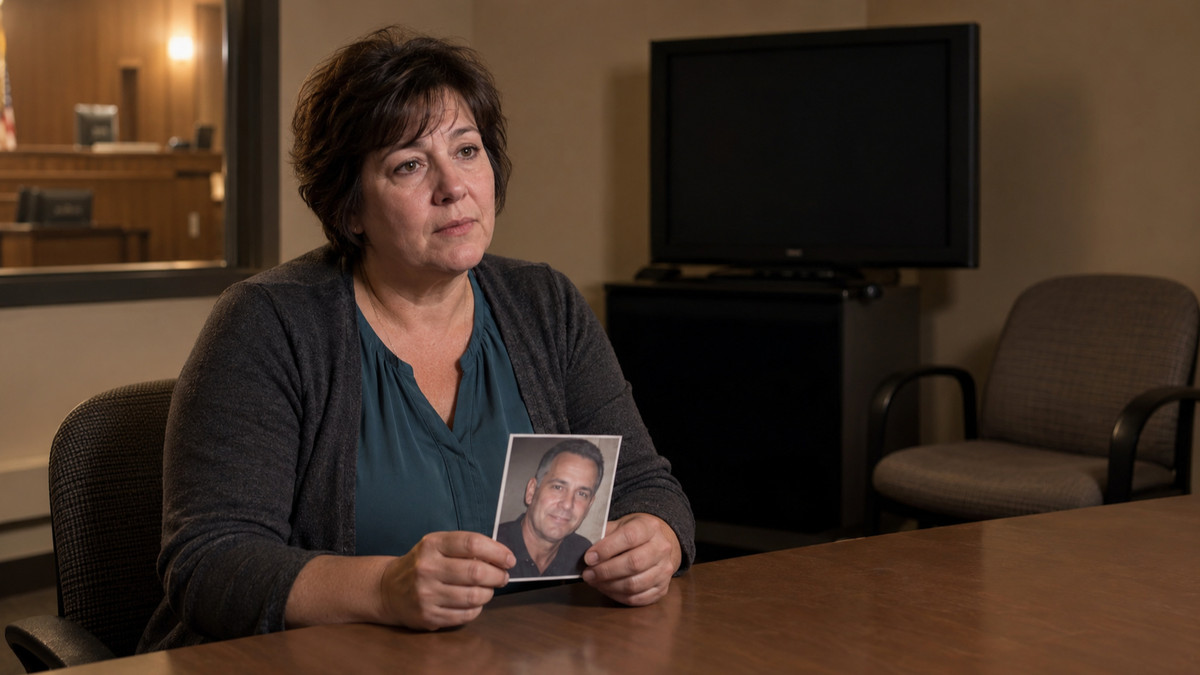
An Arizona appeals court on September 30 local time threw out the sentence in a case where an AI-generated video recreating a deceased victim was used at sentencing. Gabriel Paul Horcasitas’s 10-year, six-month prison sentence was vacated. His manslaughter conviction was left intact. The court found that the AI video had influenced the sentencing and rendered the proceeding fundamentally unfair.
What the courtroom video showed
The video appeared to show Christopher Pelkey, the man who was killed, speaking directly to the court. His family used photographs and audio recordings of Pelkey. The words he appeared to say were put together based on his sister’s sense of what he would have wanted to say. Some genuine footage filmed while he was alive was also included.
Horcasitas was convicted of shooting and killing Pelkey during a road rage incident in 2021. At the May 2025 sentencing hearing, family members and acquaintances gave statements, and the AI video was played afterward. Prosecutors asked for 9 years, while the defense asked for 7. The judge imposed 10 years and 6 months. Just before announcing the sentence, the judge spoke approvingly of the video and the forgiveness expressed in it.
Were those the victim’s own words?
The central issue for the appeals court was whether the statements in the video could be trusted. The court held that genuine footage filmed while Pelkey was alive could be admissible. The AI-generated portion, by contrast, was neither a record of events nor anything the deceased had actually said, the court found. It pointed to the fact that the family’s interpretation of his thinking had been presented as if he were saying it himself.
The two sides clashed over the meaning and the impact of the video. The defense argued that while the video could not establish Pelkey’s actual views, it carried a powerful air of authenticity that swayed the judge. Prosecutors countered that the content of the video was consistent with Pelkey’s own writings and personality while he was alive. They also argued that the judge had not factored the video into the sentence.
The appeals court concluded that the video did influence the sentencing. It did not specify how much weight the video carried in the sentencing decision. Pelkey’s sister told the AP that she made the video to show the judge who Pelkey was as a person. She also said she was disappointed by the appeals court’s decision.
What happens at resentencing?
The trial court must now resentence Horcasitas. The appeals court did not set a new sentence itself. Nor did it bar the use of AI-generated video in court altogether.
In this case, the sticking point was less the recreation of a face and a voice than what that figure was made to say. The appeals court found a reliability problem in the way the message the family wanted to convey was presented as if the deceased had spoken the words himself. What sentence emerges from the new hearing remains the open question.