Aleph Alpha Releases Kolibri 1, a Model for German and English You Can Download and Run Yourself
The German AI company has made its German and English language model freely downloadable. You can run it in Korea too, but you will need hardware on the order of two A100 80GB cards or a single H200.
Germany’s Aleph Alpha released Kolibri 1, a language model for German and English, on October 3. Anyone can download it from Hugging Face under Apache 2.0 terms. The idea is that companies and developers install it on their own servers and operate it themselves.
What it can do
With Kolibri 1, users can set how much effort the model puts into producing an answer, choosing from four levels. You can turn the reasoning process off entirely, or pick low, medium, or high. The model also supports calling external tools. Kolibri Origin, the company’s earlier internal model, operated in only a single mode.
When processing input, the model activates only the parts it needs rather than the whole network. This kind of architecture is known as MoE. The model has 78.1 billion parameters in total, but only about 3.46 billion are actually used to process a single token. Aleph Alpha says German accounted for 21.3% of the tokens used in pretraining.
How much better is it than the previous model?
On the German-language AIME 2025 benchmark, measured by the company itself, Kolibri 1 scored 87.5. Kolibri Origin, the unreleased predecessor, scored 73.5, making for a 14-point gain. Aleph Alpha also published comparisons against Qwen3.6-35B-A3B and Mistral Small 4, where the score gaps varied by task.
The amount of long-form text the model can read at once has also increased. Compared with Kolibri Origin, which had 30.6 billion total parameters, both the model’s size and its document-handling range have grown. That said, Aleph Alpha recommends keeping inputs shorter than the maximum validated length for efficient operation and complex tasks.
Can you use it in Korea?
Yes, you can download the model and run it yourself in Korea. The officially supported languages are German and English. For work involving those two languages, running the model on your own servers is now an option. Pricing for any paid service was not announced with this release.
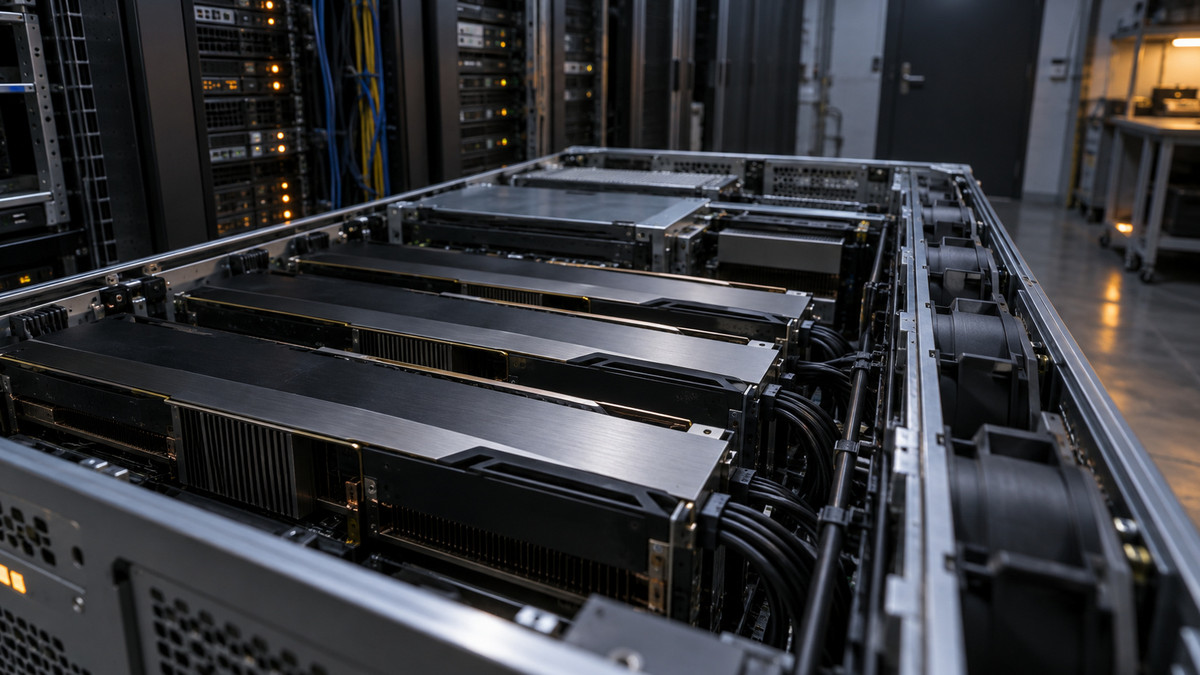
The real question is hardware. The model files alone take up roughly 78GB of memory. That figure is based on FP8, a format that stores weights in reduced precision. The official model card cites two A100 80GB cards or a single H200 as examples of minimum hardware.
The Apache 2.0 terms apply to the released model files and configuration files. Aleph Alpha described its training approach, including the makeup of the training data and the training stages, in a public post and a technical report. Anyone considering adoption should weigh the company’s reported scores alongside real-world quality on their own tasks, the recommended input length, and the hardware requirements.