OpenAI Essay: When AI Multiplies Ideas, the Work Multiplies Too
A new essay argues that the people and organizations needed to realize an idea matter just as much as the ability to generate one. Its two authors suggest AI could strengthen what individuals are able to execute on their own while, over the long run, driving up demand for execution even further.
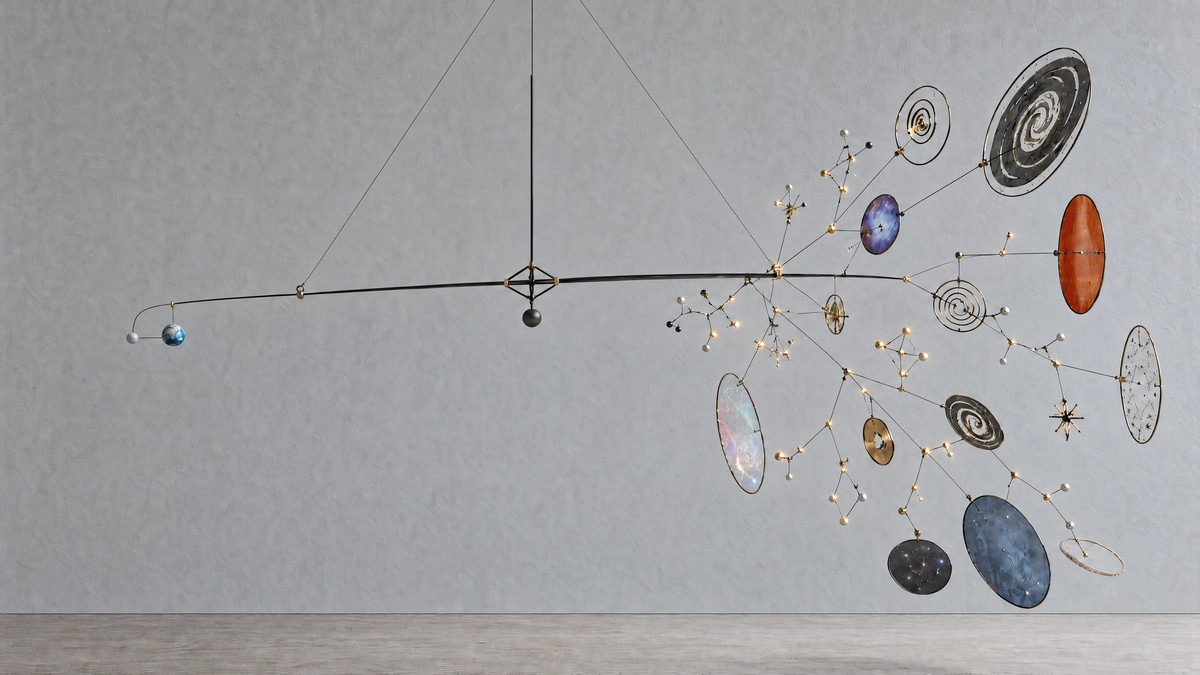
An essay titled “The eternal complement” appeared on OpenAI’s website on October 1 (local time). The authors, Hemanth Asirvatham and Elliott Mokski, frame the job of turning great ideas into reality as a key role for AI.
The piece is the first installment of the “next economy” series on a new platform devoted to a future in which artificial general intelligence (AGI) — AI capable of performing a wide range of tasks at a human level — has arrived. The two authors note that the views expressed are their own and do not represent the positions of OpenAI or their colleagues.
Who actually executes an idea?
The authors explain that the organizations and resources required to push science one step further have kept growing. That is why they place Galileo’s telescope alongside the James Webb Space Telescope. The cost they cite for the Webb telescope is $10 billion. Building it involved 300 organizations across 14 countries. Seeing farther, they argue, took more than a good idea: it took collaboration at scale.
The effort that research demands serves as further evidence. Citing work by Nick Bloom and co-authors, they note that sustaining Moore’s law now requires more than 18 times as many researchers as it did in the early 1970s. For new knowledge to translate into real results, they stress, equipment, funding, supply chains and administrative organizations all have to line up behind it.
How far can one person get alone?
What AI is changing right now, the authors say, is the execution capacity of the individual. They point to writing code, finding material in unfamiliar fields, and moving a concept into a working prototype. Tasks that once required institutional backing are increasingly something a single person can push through alone. The range of ideas you can test yourself widens accordingly.
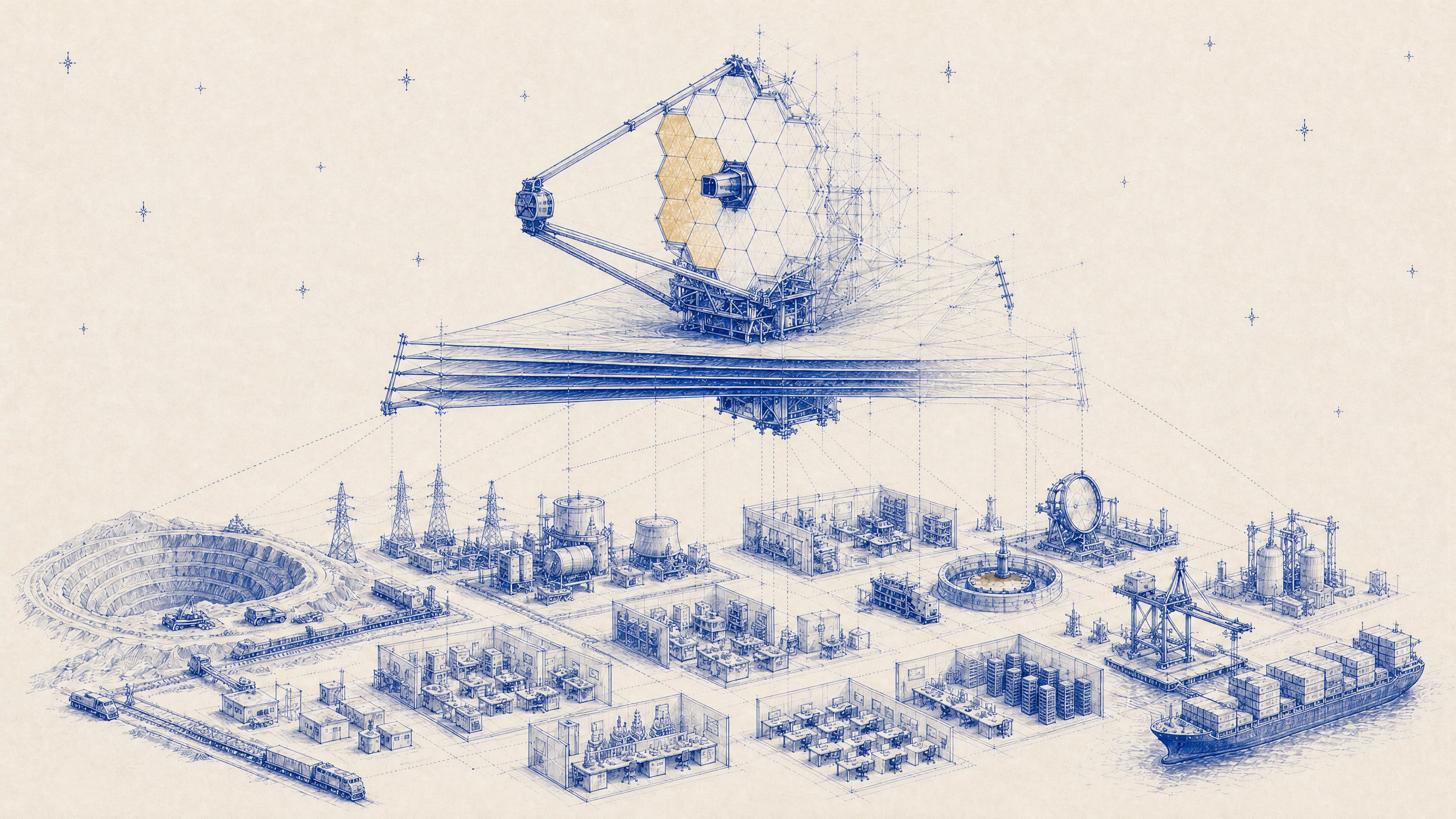
Image: OpenAI
As building gets easier, the authors expect that deciding what to build becomes more important. But the story could shift again if AI starts generating new research questions and creative concepts on its own. Hypotheses to test and projects to carry out may proliferate faster than facilities and organizations can accommodate them. AI, in other words, takes work off your plate and piles more work onto it at the same time.
Will fewer experiments be enough?
The authors lay out two possible paths ahead. In one, AI analyzes existing knowledge and data deeply enough to reduce the number of experiments that actually have to be run. In the other, untangling nature’s complexity continues to require larger and more sophisticated physical experiments. Which path we take, they argue, determines how much demand there will be for the equipment and organizations that execute on ideas.
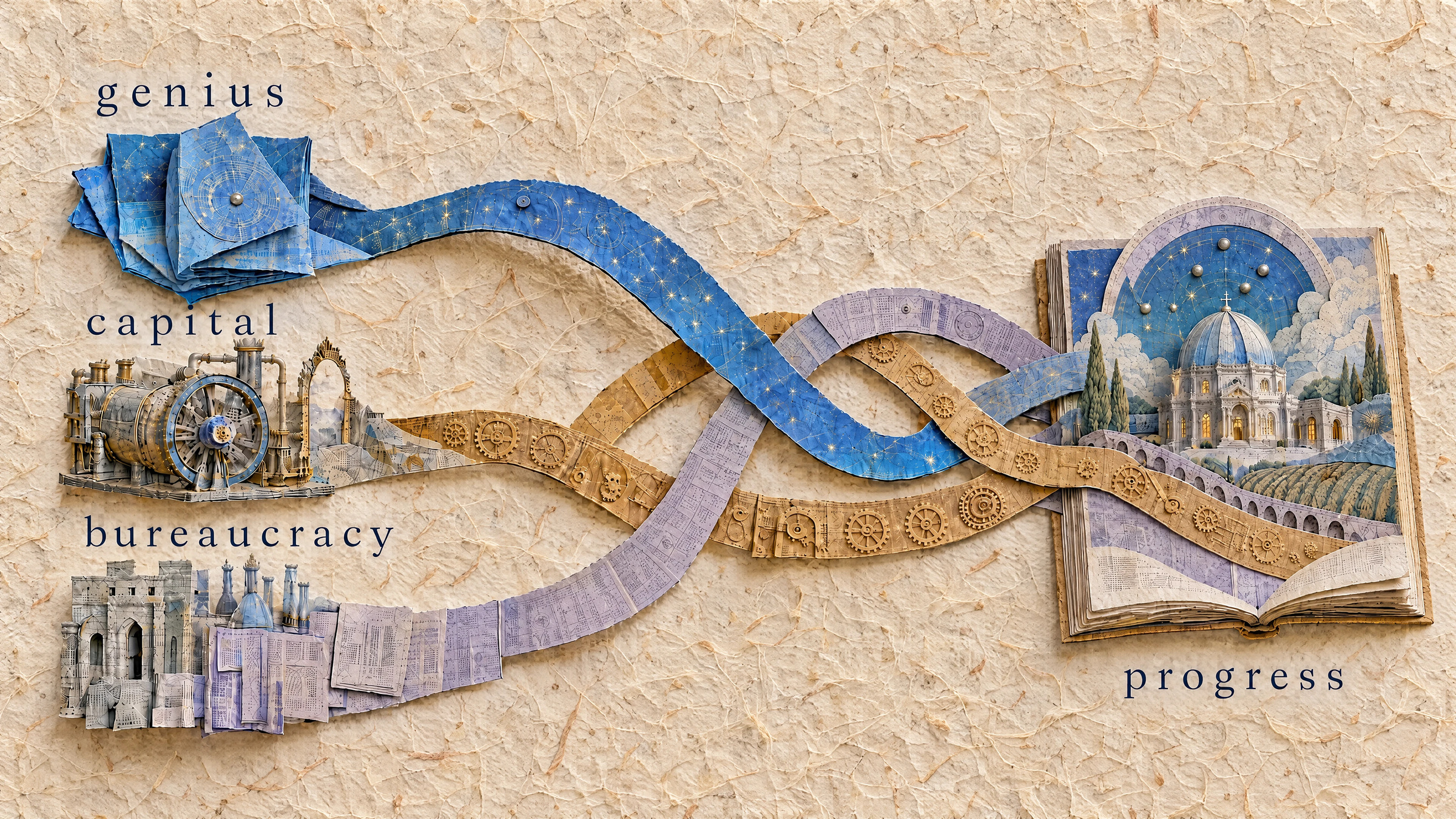
Image: OpenAI
Applied to everyday work, their argument suggests a yardstick: how much repetitive work AI takes off your hands, and how well it connects a concept to a finished result. Ultimately the question is which effect wins out: AI’s analysis cutting down on real-world experiments, or new ideas driving up demand for execution.