Google DeepMind Unveils SynthID Bio, a Watermark for AI-Designed Proteins
The technique hides an invisible mark inside a design while leaving the protein functional. The goal is to help screen DNA synthesis orders and verify the provenance of biological data.
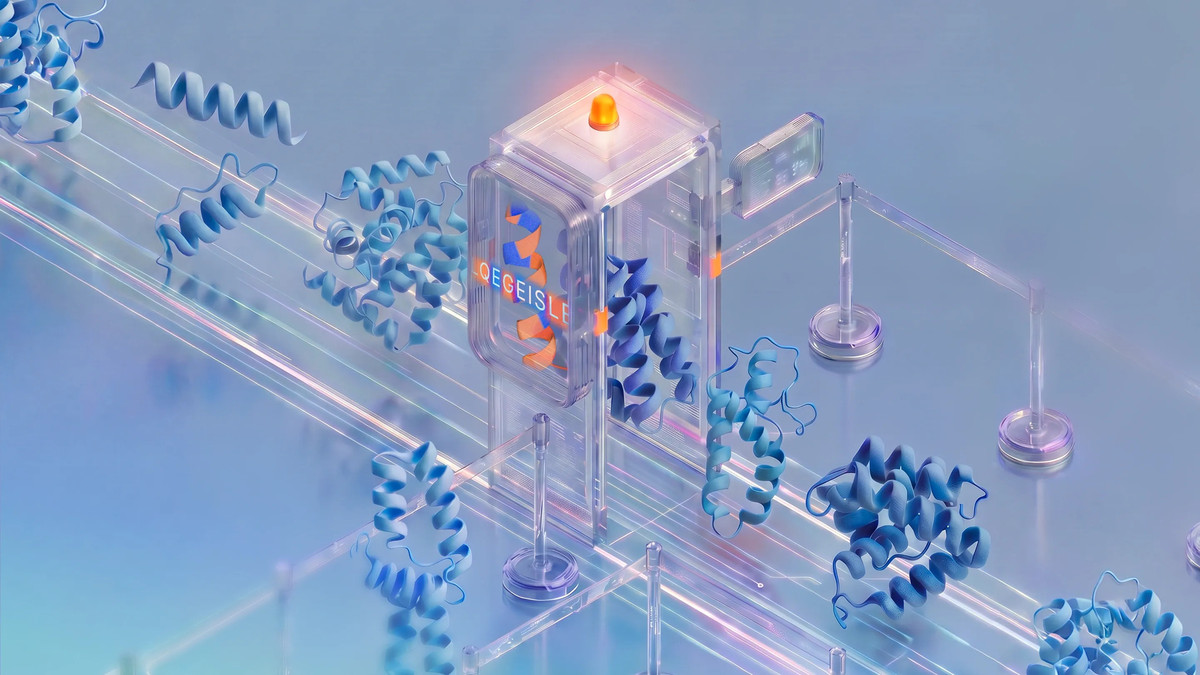
Google DeepMind on September 30 (local time) unveiled SynthID Bio, a technology for verifying the origin of AI-designed proteins. It embeds an invisible mark, or watermark, inside a design while leaving the protein’s function intact. Google DeepMind described it as a first step toward tracking biological designs made by AI.
Why watermark an AI-designed protein?
The point of the mark is to link a design back to the company that built the model that produced it. Google DeepMind explained that it is a way of embedding a means of verification into the output itself, on top of the safeguards built into the model and the screening of customers. The idea is to have multiple safety measures cover one another’s gaps.
The first use case cited is the screening of DNA synthesis orders. To turn a computer-designed protein into an actual molecule, you have to place an order with a DNA synthesis company. The company then checks the order against databases that catalog known hazards. Google DeepMind explained that AI can generate novel sequences that do not resemble existing hazards. That exposes the limits of an approach that treated unfamiliar sequences as something that came from nature.
What changes in DNA synthesis screening?
Google DeepMind said SynthID Bio could serve as a signal that automatically verifies the provenance of an order, making it possible to tell whether a design came from a trusted model with safeguards in place. Having people manually examine every unfamiliar sequence to determine whether it is an artificially created threat slows research down. Provenance information, the company says, can shorten that process.
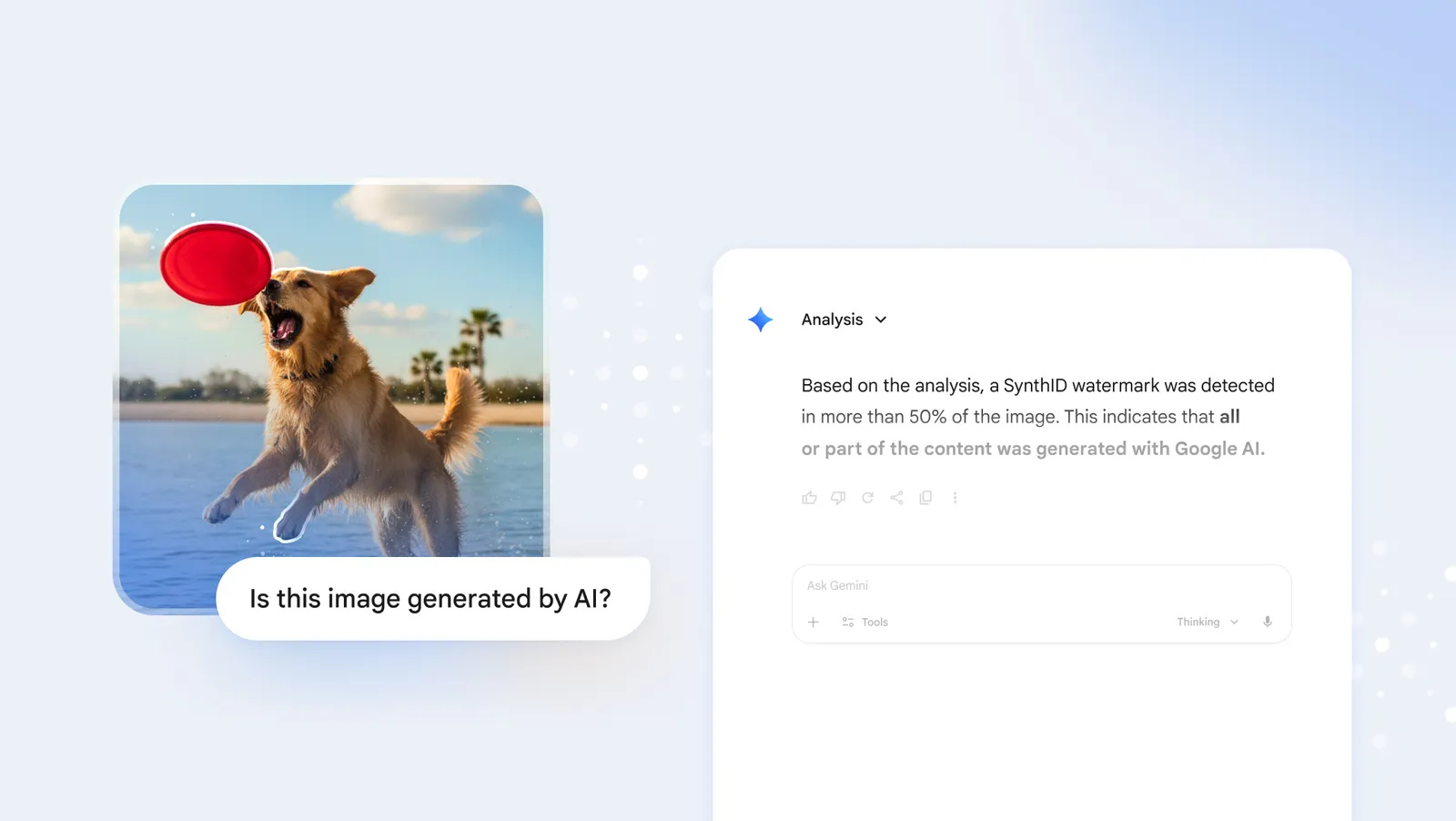
Source: Google (press release)
James Diggans, vice president of policy and biosecurity at Twist Bioscience, who gave early feedback on the paper, also pointed to how screening resources are allocated. He said the mark could help concentrate review capacity on the sequences that warrant closer scrutiny. Researchers who outsource DNA synthesis can disclose the provenance of their own designs during the order screening process.
The technology can also be used to flag AI-generated data as it enters biological databases. Google DeepMind cited Protein Data Bank, UniProt and GenBank as examples. Many of these allow anyone to upload data, so mislabeling can skew biosecurity judgments. Applying SynthID Bio during the submission process, the company argued, would make it possible to attach the correct label to AI-generated data or route it for additional review.
After proteins, genomes
The team is also embedding marks in more complex biological targets. In work done with the Hie lab at Stanford University and the Arc Institute, SynthID Bio was applied to the genome of a bacteriophage designed by the genome model Evo 2. Bacteriophages are viruses that infect bacteria. Google DeepMind said that in early bacterial culture experiments, the watermarked bacteriophage remained functional. Detailed results are to be published in a follow-up technical paper.
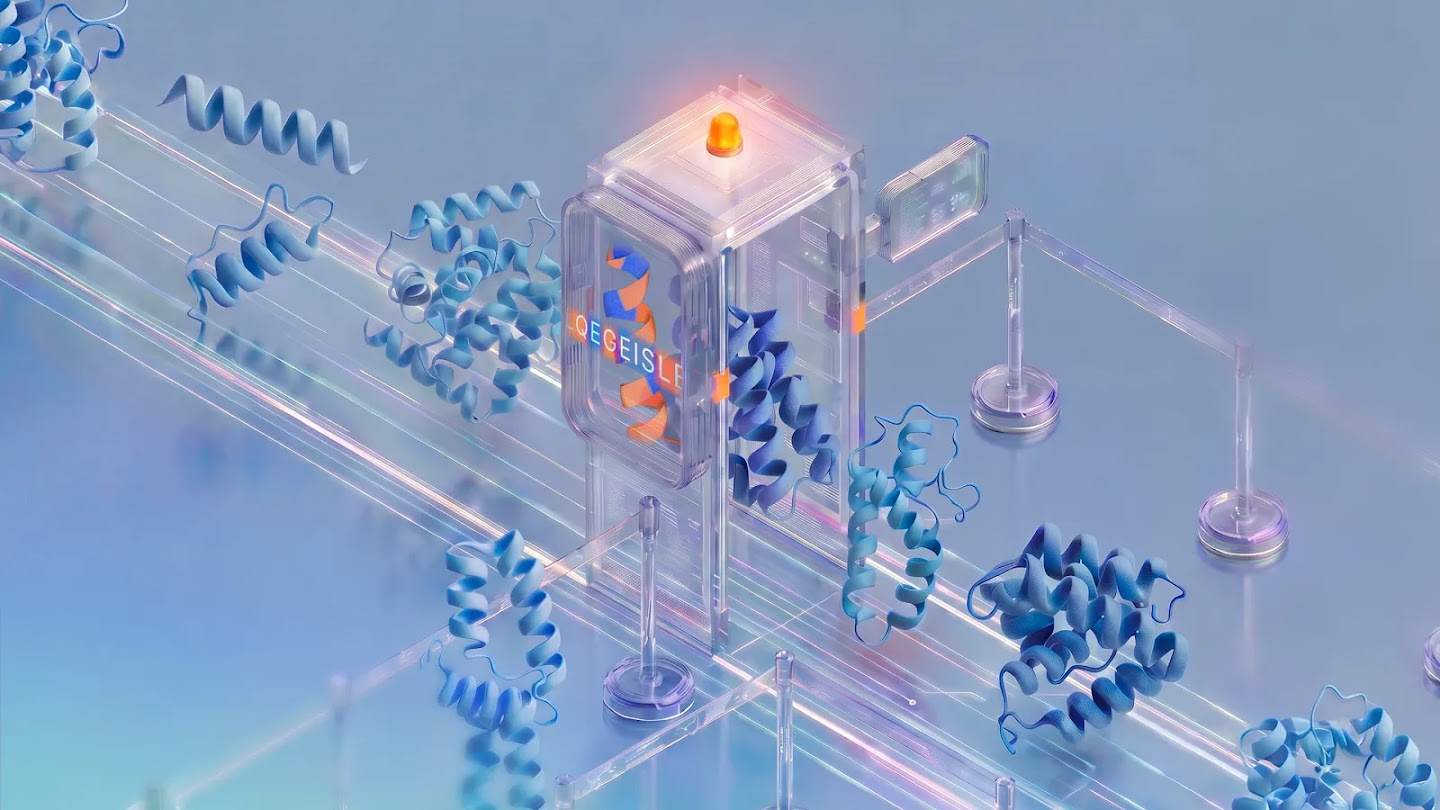
Image: Google DeepMind
Google DeepMind has released a paper describing the method, along with code and in vitro experimental data. It is also releasing model weights, the values obtained through training, to researchers. Making the mark more resistant to deliberate tampering was listed as remaining work. Whether the technology matters in practice will depend on whether synthesis companies and the research community incorporate these marks into their verification procedures.