Google Unveils a Talking AI Avatar for Enterprise Support
Google DeepMind has brought Live Avatar, which answers in both voice and video, to its business product Gemini Enterprise. It keeps the conversation going while it looks things up, and adapts lip movements and expressions across 97 languages.
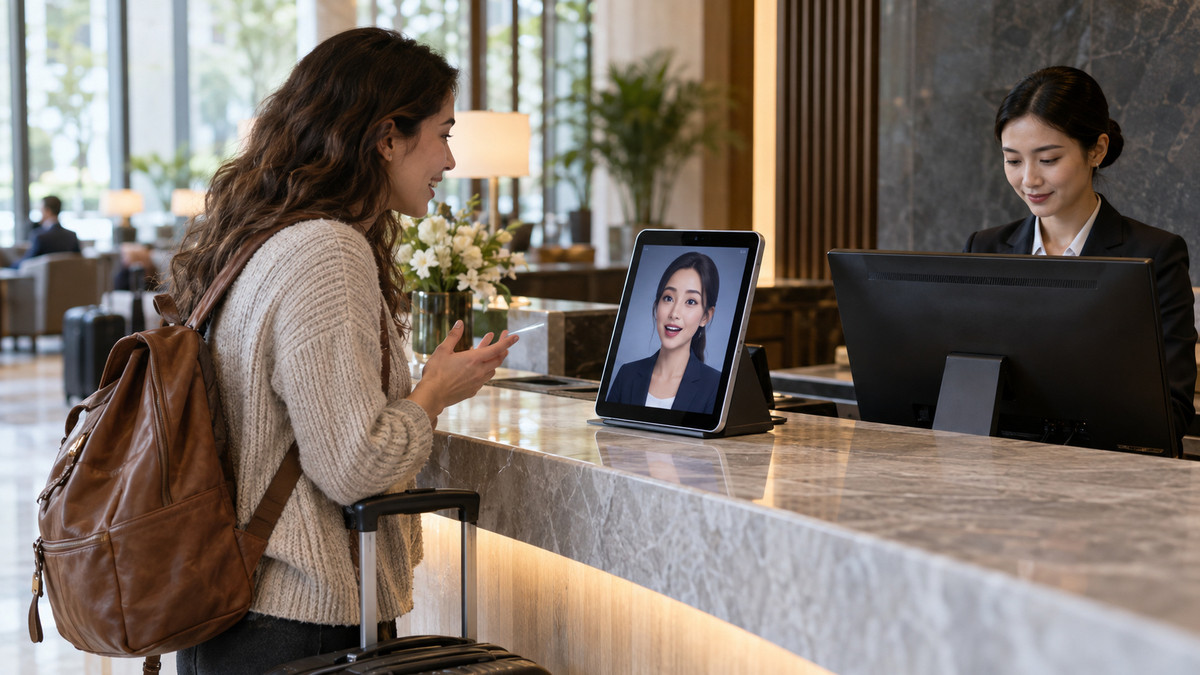
On September 24 local time, Google DeepMind unveiled Live Avatar, a feature that lets users talk face to face with an on-screen character. It adds near real-time video to the voice conversations of Gemini 3.8 Live, the real-time conversation model released last week. It has been available in Gemini Enterprise, the company’s business service, since the day of the announcement.
Users talk with the avatar while watching its facial expressions and lip movements. Live Avatar takes in what it sees and what it hears together, then answers in voice and video. Google DeepMind highlighted lip movements synced to speech and natural expressions as the feature’s main selling points. It was built for companies to use in customer support and in walking users through procedures.
Can it keep talking while it looks things up?
Live Avatar can run the tools it needs or look up data in the middle of a conversation. And it keeps talking with the user until that work is finished. Google DeepMind offered the example of handling a hotel guest’s check-in. The focus is not merely on giving spoken guidance, but on conversing and getting work done at the same time.
When the language changes, the avatar’s lip movements and expressions follow suit. Google DeepMind said it supports 97 languages. According to the company, switching to a different language mid-conversation leaves video quality and the character’s appearance unchanged. The feature is aimed at companies serving customers in multiple countries.
Can we use our own company’s character?
Companies can choose from ready-made avatars, or upload a photo to create their own. It animates the avatar in response to the conversation while preserving the appearance in the photo and the feel of the brand. Custom avatar creation, however, is limited to companies that have received separate approval.
The generated voice and video carry a SynthID marking. The approach embeds a mark that is hard for people to notice into the output, so that AI-generated content can be identified. Google DeepMind described it as a safeguard meant to reduce the spread of false information and confusion about where content came from.
The heart of Live Avatar is that it adds a face and expressions to enterprise AI support. The company also points to the fact that conversation does not break off while tasks are being handled. What real support sessions will reveal is how natural the conversation feels and whether it handles requested tasks accurately. The key question is whether those two things hold up even when switching languages or when a lookup drags on.