AI Creates Videos and Controls Phones: 10 Tools Making Waves
Projects released over the past two months are widening the range of work AI can take on. Here are tools that handle video and smartphones, plus ones that divide the labor among several AI agents.
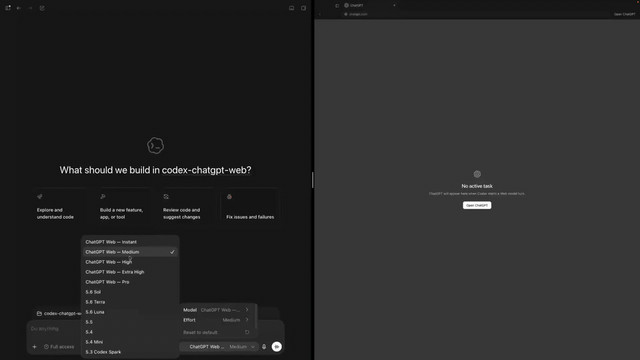
A wave of new projects is connecting AI that works on its own, known as agents, to real tasks. We’ve gathered 10 projects that have drawn plenty of “stars,” GitHub’s marker of interest, on the developer code-sharing platform over the past two months. Some handle video production and smartphone control, while others build the environment AI works in or split roles among multiple agents.
deepseek-harness: bolt on only the features you need
DeepSeek Harness, released by DeepSeek, is an AI working environment you assemble one piece at a time. It targets developers who want to configure their own tooling around the job at hand. It is still at the developer preview stage and is published under the MIT license, which lets anyone use it. Its 235,128 stars are the most of any project on this list.
Image: GitHub deepseek-ai/deepseek-harness (MIT)
hypit: hand video editing to the AI
Hypit lets Claude Code or Codex do video work directly. It handles scenes and subtitles as well as B-roll and effects. You can import an existing video to touch up, or start from a template. It is worth a look for anyone who wants to offload the video production process to AI. It has 16,113 stars.
The license is Apache License 2.0 with additional conditions attached. You can use it for work inside your own organization or for commercial projects. However, running it as a single service shared by multiple customers, offering it to third parties as a hosted, managed or SaaS product, or redistributing it commercially requires separate permission.
codex-chatgpt-web: use ChatGPT models inside Codex
This tool bridges the two services so that you can select the ChatGPT web models tied to your own account from Codex’s model picker. It preserves your working context, images and screen as they are. To also use the files and tools from the Codex session you’re currently in, you need Full harness mode, which requires additional setup. The project explains that this draws on the separate usage limits applied to ChatGPT on the web. It is aimed at people who use both services together. It offers a Korean-language guide link and is published under the MIT license. It has 11,285 stars.
artemis: control an Android phone with plain language
Google’s ARTEMIS turns instructions given in everyday language into actions on an Android device. It can run tasks and tests that move across multiple apps, and it keeps a record of what happened. It suits people checking whether an app works properly or automating phone-based tasks. It also connects to AI coding tools such as Codex and Claude Code. It has 9,735 stars.

Image: GitHub google/artemis README (Apache-2.0)
dsh-routing-suite: a different approach for every job
This is a bundle of tools for DeepSeek Harness that picks how the AI should handle a task based on the nature of that task. It breaks the work into stages, from planning through to the final check. It also includes features for managing the running environment without restarting it. It is aimed at developers who want fine-grained control over the order in which an AI works. Published under the MIT license, it has 7,206 stars.
Image: GitHub yjh051108/dsh-routing-suite (MIT)
codex-with-chatgpt: ChatGPT plans, Codex executes
This project stitches the two tools together so that ChatGPT draws up the plan and Codex carries it out. The setup is aimed at users who want to spend the web usage allowance from their paid ChatGPT subscription on planning and review. Published under the MIT license, it has 6,612 stars.
Image: GitHub XiaoDuoYa/codex-with-chatgpt (MIT)
OpenBot: an AI colleague you run in house
OpenBot is a working environment that assigns each AI its own separate browser, files and permitted tools. Before an AI executes anything, the system decides whether to allow it, and afterward it keeps a record. Companies can install it on servers they operate themselves and modify it. It suits organizations that want to control which actions their work AI agents can take. It is MIT licensed and has 5,518 stars.
Image: GitHub CopilotKit/OpenBot (MIT)
reef: feed the feedback into the next version
Reef links into a single loop the process by which an AI produces an answer, takes feedback, learns from it and ships a revised version. It is a tool for development teams that want to train models further. It is also used for refining the instructions and working rules given to an AI. It has 4,654 stars.
Image: GitHub Human-Agent-Society/reef (Apache-2.0)
FrontierAgent: split up long research and document work
FrontierAgent handles time-consuming research and file-centric tasks. You can have a single AI read the source material and write the output. You can also assign work to several AI agents separately and then merge the results. It suits people building an environment that hands research and document work over to AI. It has 4,592 stars.
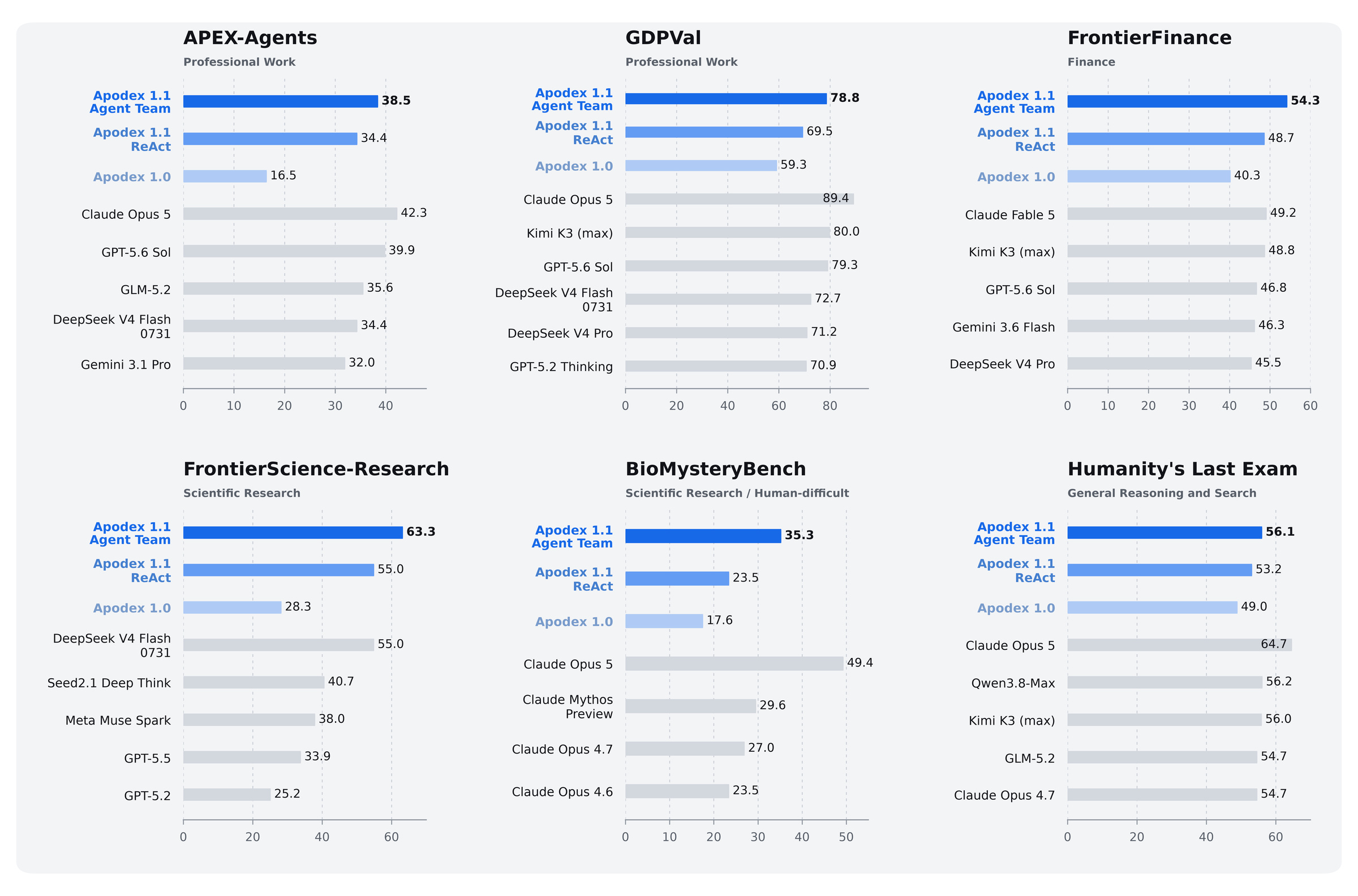
Image: GitHub ApodexAI/FrontierAgent README (Apache-2.0)
sprix-sage-router: who should this job go to?
This tool decides, mid-task, whether an AI should keep going alone, call in help from another AI, or hand the job off entirely. It weighs work already completed, reusable outputs and records of failures. Remaining budget and deadlines also factor into the decision. It targets developers building systems where multiple AI agents work together. It is MIT licensed and has 4,196 stars.

Image: GitHub wang2122/sprix-sage-router (MIT)
Two threads run through all 10 projects. They widen the range of work handed to AI while simultaneously trying to manage the process and the division of roles. For ordinary users, the tangible use cases, such as video production and phone control, are the ones that register first. The remaining question is how reliably these tools actually finish real work. Whether they run while respecting the terms of the services they connect to is another point worth watching.
Sources
- deepseek-ai/deepseek-harness: DeepSeek Harness: Everything is a Plugin.
- hypit-ai/hypit: Clone any viral video with AI agents. Not just a script, the whole workflow: swap the face, the words, the B-roll, ship 100 variants in one command, and get your 100M views.
- miuuyy/codex-chatgpt-web: Use ChatGPT Web (including Pro) as a native model in Codex — with context, tools, streaming and images, without using Codex quota.